Introduction
You’re cuddled up with your cat on the couch, and as they start to purr, you notice something odd, there’s a weird whistling sound, maybe a slight wheeze, or even a rattling noise mixed in with that familiar rumble. Your heart skips a beat. Is something wrong? Should I be worried?
If you’ve found yourself in this situation, you’re not alone. Many cat parents notice their cat making weird breathing noises when purring and immediately wonder if it’s a sign of a serious health problem. The good news? In most cases, these sounds are completely harmless and just part of your cat’s unique purring style. But there are times when unusual breathing noises can signal something that needs attention.
In this article, we’ll walk through everything you need to know about why your cat might sound a little different when they purr, when it’s totally normal, and when it’s worth a trip to the vet. Let’s put your mind at ease.
Understanding Normal Cat Purring and Breathing
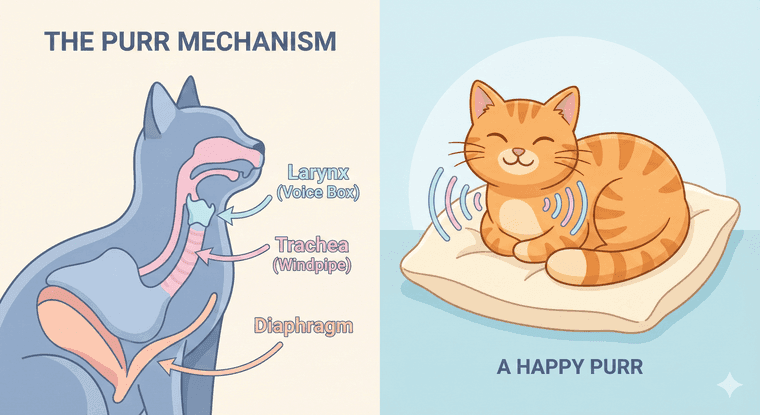
Before we dive into the weird noises, it helps to understand what’s actually happening when your cat purrs.
How Purring Actually Works
Purring is one of those magical cat things that scientists are still studying. The most widely accepted explanation is that purring happens when the laryngeal muscles (in the voice box) rapidly contract and relax, creating vibrations as your cat breathes in and out. This happens at a frequency of about 25 to 150 vibrations per second.
Here’s the thing, your cat is breathing while purring. Air is moving in and out through the same pathways that are vibrating to create that purr. So naturally, there’s going to be some overlap in sounds. Think of it like trying to hum while breathing, sometimes you’ll hear both sounds mixing together.
Normal Breathing Sounds During Purring
Not all cats purr the same way. Some have soft, barely-there purrs that you can only feel if you touch their chest. Others sound like tiny motorboats. And some cats? They’re just plain noisy about it.
It’s completely normal for purring to include some breathing sounds. The rhythm of inhaling and exhaling naturally creates pauses and variations in the purr. You might hear a slight whistle on the inhale, or a deeper rumble on the exhale. As long as your cat seems comfortable and happy, these variations are usually just part of their personal purring signature.
Common (Usually Harmless) Reasons for Weird Breathing Noises When Purring
Now let’s talk about the most common reasons you might hear unusual sounds, most of which are nothing to stress about.
1. Nasal Congestion or Stuffiness
Just like humans, cats can get a little stuffed up sometimes. When your cat has mild nasal congestion, the airflow through their nose changes, and this can create all sorts of interesting noises when they purr.
Common causes of minor stuffiness include:
- Dust or seasonal allergies
- Dry air (especially in winter with heating systems running)
- Recent sniffing of something irritating (like perfume or cleaning products)
- Mild, short-lived viral upper respiratory symptoms
If your cat is making weird breathing noises when purring but is otherwise acting totally normal, eating well, playing, and grooming themselves, a little congestion is probably the culprit. It usually clears up on its own within a few days.
2. Breed-Specific Anatomy
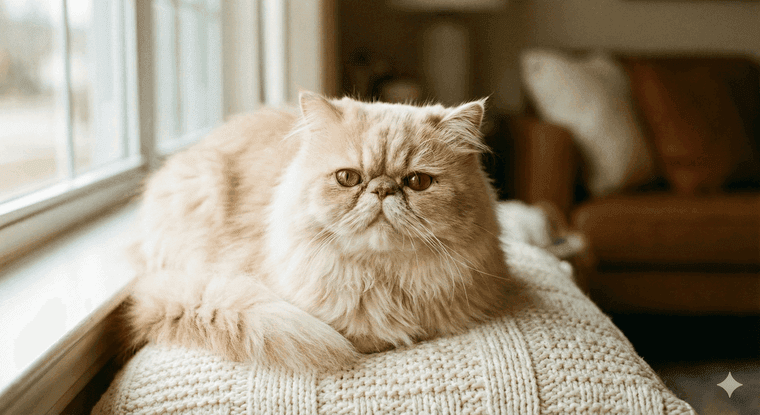
If you have a flat-faced cat breed, this section is especially for you. Brachycephalic breeds like Persians, Exotic Shorthairs, and Himalayans have shortened nasal passages and airways due to their skull shape. This isn’t a defect, it’s just how they’re built.
For these cats, noisy breathing is par for the course. They naturally make more snorting, snuffling, and wheezing sounds, even when they’re perfectly healthy. When they purr, these sounds become even more pronounced because of the added vibrations and airflow.
If you’ve got a squishy-faced kitty, what sounds alarming to you might just be Tuesday for them. That said, brachycephalic cats can be more prone to respiratory issues, so it’s worth knowing what’s normal for your individual cat.
3. Sleeping Position and Relaxation
Ever notice that your cat making weird breathing noises when purring seems to happen more when they’re deeply relaxed or in certain positions? That’s not a coincidence.
When cats curl up in tight balls, stretch out awkwardly, or tuck their chin down, it can slightly compress their airways or change how air flows through their nose and throat. Add purring into the mix, and you might hear some whistling, light snoring, or rattling that wouldn’t be there otherwise.
I call this the “cuddle wheeze”, those little noises that happen when your cat is so comfortable and happy that their body is completely relaxed. It’s actually a good sign! A stressed or uncomfortable cat won’t be purring like that in the first place.
4. Age-Related Changes
As cats get older, their bodies change. The tissues in their throat and airways can become a bit less firm, and the cartilage might not be quite as robust as it once was. This is a normal part of aging, much like how older people might snore more or have different breathing patterns.
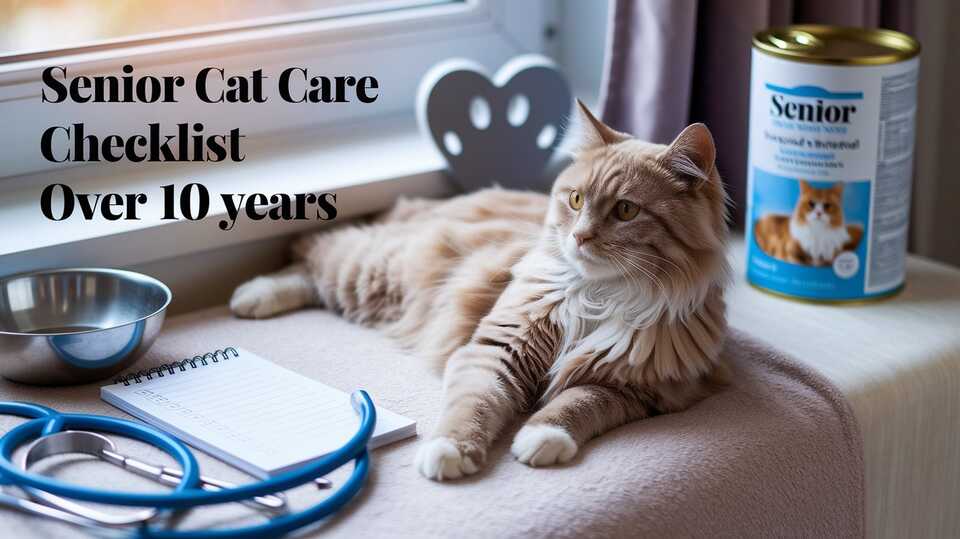
Senior cats (typically 11 years and older) often develop louder or more varied breathing sounds during purring. As long as these changes happen gradually and your cat isn’t showing signs of distress, it’s usually just aging doing its thing.
Of course, older cats are also more prone to certain health conditions, so keeping up with regular vet visits becomes even more important as they age.
5. Overweight or Obesity
Let’s talk about weight. If your cat is carrying extra pounds, it puts additional pressure on their chest, diaphragm, and airways. This can make breathing, and especially purring, sound more labored or noisy.
Signs your cat’s breathing noises might be weight-related:
- The sounds are worse when they’re lying down
- They seem to tire easily during play
- You can’t easily feel their ribs when you gently pet their sides
- Your vet has mentioned weight concerns at checkups
The good news? Weight loss in cats can significantly improve breathing comfort. But it needs to be done slowly and safely, rapid weight loss in cats can cause serious liver problems. Always work with your vet on a weight management plan.
6. Excitement or Vigorous Purring
Some cats don’t just purr, they turbo purr. When cats are extremely happy or excited, they purr so intensely that their whole body vibrates. This vigorous purring can create all sorts of breathing noises simply because there’s so much going on in there at once.
Think of it like trying to talk while laughing really hard. The mechanics get a little messy, and weird sounds happen. If your cat is making these noises only when they’re clearly thrilled (during pets, before dinner, or while kneading), it’s almost certainly just enthusiasm.
When Weird Breathing Noises Could Signal a Problem

Now for the more serious stuff. While most cases of a cat making weird breathing noises when purring are benign, there are times when it can indicate a health issue that needs veterinary attention.
Red Flag Symptoms to Watch For
Here are the signs that should prompt a vet visit:
- Open-mouth breathing (cats should breathe through their nose when at rest)
- Increased respiratory rate (normal is 20-30 breaths per minute while resting)
- Blue or pale gums instead of healthy pink
- Labored breathing where you can see the chest or belly working hard
- Coughing or gagging along with the noisy breathing
- Discharge from the nose or eyes
- Lethargy or hiding more than usual
- Loss of appetite or decreased activity
- Sounds that suddenly change or rapidly worsen
The key difference between normal and concerning? A healthy cat making weird breathing noises when purring will still act like themselves otherwise. They’ll eat, play, groom, and go about their day normally. When something’s wrong, you’ll typically see other behavioral changes too.
1. Respiratory Infections (URI)
Upper respiratory infections are incredibly common in cats, especially those who’ve spent time in shelters or around other cats. These are basically the cat version of the common cold.
Along with noisy breathing, you might notice:
- Sneezing
- Nasal or eye discharge (clear or colored)
- Decreased appetite
- Mild fever
- Less energy than usual
Most URIs are caused by viruses and will clear up on their own within 7-10 days, but some cats need supportive care or antibiotics if a bacterial infection develops. If your cat’s eating and acting fairly normal, your vet might recommend monitoring at home. But if they stop eating or seem really miserable, don’t wait.
2. Asthma and Allergies
Feline asthma is more common than many cat parents realize. It causes inflammation and narrowing of the airways, which can create wheezing sounds, particularly noticeable during purring.
Asthma symptoms include:
- Wheezing or whistling sounds even when not purring
- Coughing (often mistaken for trying to cough up a hairball)
- Extended neck and open mouth during breathing episodes
- Rapid breathing or panting
Environmental triggers like cigarette smoke, dusty litter, air fresheners, or seasonal allergens can worsen asthma. If you suspect asthma, your vet can prescribe medications that make a huge difference in your cat’s quality of life.
3. Heart Disease
This one’s scary to think about, but it’s important. Heart disease can cause fluid to build up in or around the lungs, making breathing sound wet, crackly, or labored. When combined with purring, this can create concerning noises.
Heart-related breathing issues usually come with other symptoms:
- Increased breathing rate at rest (count breaths, more than 30-40 per minute is concerning)
- Difficulty settling down comfortably
- Weakness or collapsing
- Reduced tolerance for activity
- Sometimes coughing
Heart disease can affect cats of any age, though it’s more common in certain breeds (like Maine Coons and Ragdolls) and older cats. Early detection through regular vet exams makes a massive difference in treatment outcomes.
4. Laryngeal Issues or Polyps
The larynx (voice box) is where purring vibrations originate, so if something’s not right there, you’ll definitely hear it. Laryngeal problems can include inflammation, paralysis, or growths like polyps.
You might notice:
- Voice changes (purr sounds different, meow is hoarse or absent)
- Noisy breathing even when not purring
- Difficulty swallowing
- Gagging or coughing
- Exercise intolerance
Nasopharyngeal polyps are benign growths that some cats develop, often when they’re young. They can partially obstruct airways and create all sorts of breathing noises. The good news? They’re treatable, usually with surgery.
5. Tracheal Problems
The trachea is your cat’s windpipe, the tube that carries air to and from the lungs. While collapsed trachea is more common in dogs, cats can experience tracheal irritation, inflammation, or very rarely, structural issues.
A tracheal problem often creates a distinctive honking or goose-like sound, especially during excitement or activity. If you’re hearing this along with your cat’s purr, it’s worth having checked out.
6. Foreign Objects or Obstruction
Cats sometimes inhale small particles, grass blades, or get small pieces of material stuck in their airways. This is more common in outdoor cats but can happen to indoor cats too.
Signs of partial obstruction:
- Sudden onset of breathing noises
- Pawing at the face or mouth
- Excessive swallowing
- Panic or distress
- Gagging
A true airway obstruction is an emergency. If your cat can’t breathe, has blue gums, or is in obvious distress, get to an emergency vet immediately.
How to Tell If Your Cat’s Breathing Noises Are Normal or Concerning
So you’ve read all this, and you’re still not sure if your cat’s noises are okay or not. Here’s a practical approach to figuring it out.
The Home Assessment Checklist
Observe breathing at rest: When your cat is sleeping or relaxing quietly (not purring), count their breaths for one minute. Normal is 20-30 breaths per minute. Consistent rates above 40 are concerning.
Check for effort: Is your cat working hard to breathe? Look at their chest and belly. You shouldn’t see exaggerated movement or abdominal effort with each breath.
Look at gum color: Gently lift your cat’s lip and check their gums. They should be pink, not pale, white, or blue-tinged.
Note when it happens: Does your cat only make weird breathing noises when purring, or do you hear them at other times too? Noises that only occur during purring are generally less concerning.
Consider context: Is your cat relaxed, happy, and comfortable? Or do they seem anxious or distressed?
Watch for patterns: Has this been going on for months with no change, or did it just start suddenly?
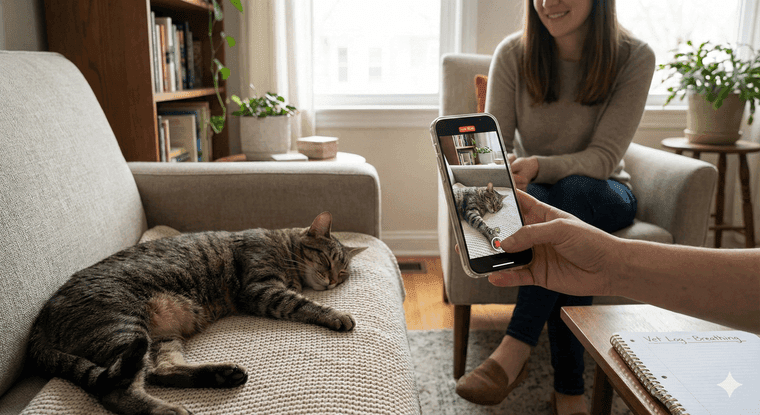
Video Recording for Your Vet
Here’s a pro tip: the minute you walk into the vet’s office, your cat will probably stop making those sounds. Murphy’s Law of veterinary medicine.
Pull out your phone and record a video when you hear the noises. Capture:
- The sound itself (get close enough for clear audio)
- Your cat’s body position
- Whether they’re purring, resting, or active
- Their breathing pattern (you should be able to see chest movement)
This gives your vet valuable information and saves everyone frustration.
Tracking Changes Over Time
If you’re in the “probably fine but keeping an eye on it” category, consider keeping a simple log. Note:
- Date and time you notice the sounds
- What your cat was doing
- Any other symptoms or behaviors
- Changes in environment (new air freshener, different litter, etc.)
Sometimes patterns emerge that aren’t obvious day-to-day. And if you do end up going to the vet, you’ll have detailed information to share.
When to Call Your Veterinarian
Let’s make this crystal clear so you know exactly when to act.
Immediate Vet Attention Needed (Emergency)
Call an emergency vet or go immediately if:
- Your cat has blue or white gums
- They’re breathing with their mouth open while at rest
- Breathing rate is above 60 breaths per minute
- Your cat seems panicked or can’t get comfortable
- They collapse or seem too weak to stand
- The breathing sounds suddenly changed dramatically and your cat is clearly in distress
Schedule an Appointment Soon (Within a Few Days)
Contact your vet for an appointment if:
- Your cat has been making weird breathing noises when purring for more than a week
- Other symptoms are present (sneezing, discharge, coughing, lethargy)
- The sounds are getting progressively worse
- Your cat is eating less or acting less energetic
- You just have that gut feeling something isn’t right (trust your instincts!)
Probably Fine to Monitor at Home
You can likely watch and wait if:
- The noises are occasional and mild
- Your cat is otherwise completely normal, eating, playing, grooming, using the litter box
- They’ve always made these sounds (it’s just how they purr)
- The only time you hear it is during deep relaxation or specific positions
- You know your cat has breed-related anatomical quirks
When in doubt, a phone call to your vet’s office doesn’t hurt. Most practices are happy to do a quick phone consultation to help you decide if an appointment is needed.
What to Expect at the Vet Visit
If you do end up making that appointment, here’s what’ll likely happen so you can feel prepared.
Your vet will start with a thorough physical exam, paying special attention to:
- Listening to heart and lungs with a stethoscope
- Checking gum color and capillary refill time
- Looking at nose and throat for discharge or inflammation
- Feeling the neck area for lumps or swelling
- Watching your cat breathe and noting any effort or patterns
They’ll ask questions like:
- How long have you noticed these sounds?
- Do they happen only when purring or other times too?
- Any other symptoms you’ve observed?
- Has your cat’s behavior or appetite changed?
- Any recent environmental changes?
Depending on what they find, your vet might recommend:
- Chest X-rays to look at lungs, heart, and airways
- Blood work to check overall health and rule out systemic issues
- Blood pressure measurement especially if heart disease is suspected
- Sedated oral exam if they need a better look at the throat
- Referral to a specialist for complex cases
Most of the time, you’ll get answers and a treatment plan. Even when something is found, many respiratory conditions in cats are very manageable with medication, environmental changes, or lifestyle adjustments.
Preventing and Managing Breathing Issues in Cats
While you can’t prevent everything, there are steps you can take to support your cat’s respiratory health.
Environmental Management
Your home’s air quality makes a bigger difference than you might think:
- Use dust-free litter to reduce airborne particles
- Run air purifiers with HEPA filters, especially in rooms where your cat spends time
- Avoid smoking around cats (secondhand smoke is horrible for their lungs)
- Skip heavy perfumes and air fresheners that can irritate airways
- Maintain humidity around 30-50% (too dry can irritate, too humid can encourage mold)
- Vacuum regularly to reduce dust and allergens
Weight Management
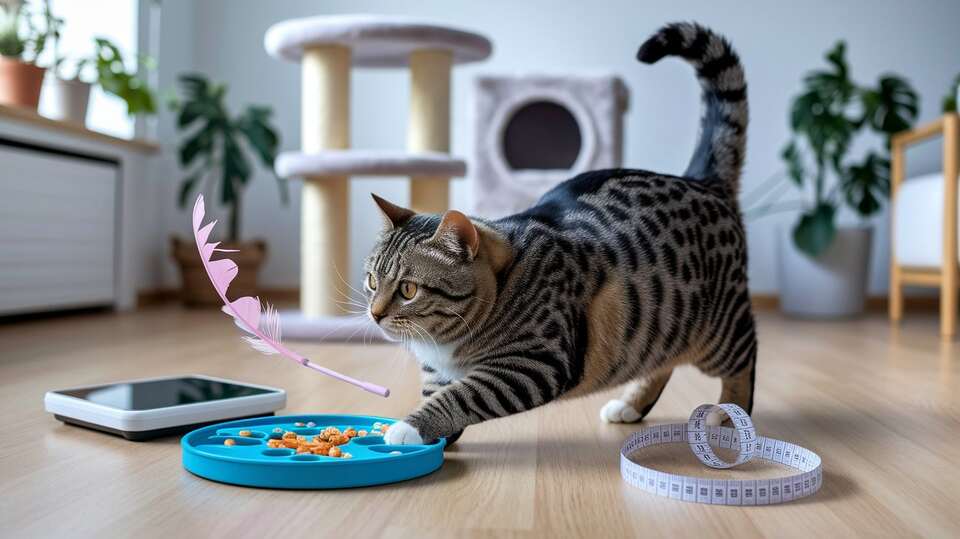
Keeping your cat at a healthy weight reduces strain on their respiratory system. But remember, cats need to lose weight slowly. Work with your vet to:
- Determine ideal weight for your cat’s size and breed
- Calculate appropriate daily calories
- Choose high-protein, moderate-fat foods
- Increase activity through play (even 10 minutes twice daily helps)
- Monitor progress with monthly weigh-ins
Never put a cat on a crash diet. Cats who lose weight too rapidly can develop hepatic lipidosis, a dangerous liver condition.
Regular Vet Checkups
Annual wellness exams (twice yearly for senior cats) catch problems before they become emergencies. Your vet can:
- Track trends in heart and lung health
- Monitor weight and body condition
- Update vaccines that prevent respiratory infections
- Provide breed-specific guidance for at-risk cats
Stress Reduction
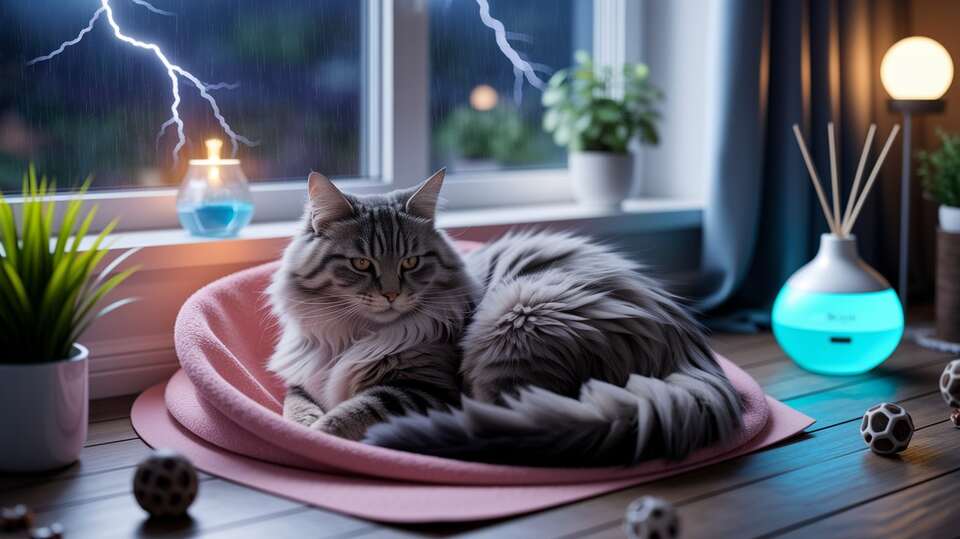
Stress affects everything in your cat’s body, including breathing. Chronic stress can suppress immune function and worsen respiratory conditions. Create a calm home by:
- Providing plenty of hiding spots and vertical space
- Maintaining consistent routines
- Using pheromone diffusers if your cat is anxious
- Ensuring adequate litter boxes (one per cat plus one extra)
- Giving each cat their own resources (food, water, beds)
Conclusion
Hearing your cat making weird breathing noises when purring can be unsettling, but more often than not, it’s just a quirk of their unique purr-sonality. Whether it’s their sleeping position, breed anatomy, or just how they’re built, many cats have their own signature sounds that are completely harmless.
That said, you know your cat best. If something feels off, or if you’re seeing other symptoms alongside those breathing noises, trust your gut and reach out to your vet. A quick checkup can give you peace of mind and catch any potential issues early when they’re most treatable. Your cat is lucky to have someone who pays such close attention to their well-being!
Also Read - Why Does My Cat Groom Me Then Bite? The Love-Bite Cycle Explained
Frequently Asked Questions
Is it normal for my cat to sound congested when purring?
Mild, occasional congestion sounds during purring are usually normal, especially if your cat is otherwise healthy and happy. It often happens due to sleeping position, mild allergies, or just individual variation. If it persists beyond a week or is accompanied by other symptoms like sneezing or discharge, check with your vet.
My cat wheezes a little when she purrs, is this dangerous?
Not necessarily. Some cats naturally wheeze slightly during vigorous purring, especially flat-faced breeds. However, if the wheezing happens even when not purring, worsens over time, or comes with coughing or breathing effort, it could indicate asthma or another respiratory condition worth investigating.
Should I be worried if the breathing noise comes and goes?
Intermittent noises that come and go are typically less concerning than constant issues. If your cat only makes these sounds in certain positions, when deeply relaxed, or during very enthusiastic purring, it’s probably normal for them. Consistent monitoring is smart, but panic usually isn’t needed.
Can indoor air quality really make a difference in my cat’s breathing?
Absolutely. Cats are sensitive to airborne irritants like dust, smoke, strong fragrances, and chemical cleaners. Improving air quality with purifiers, dust-free litter, and avoiding irritants can noticeably reduce respiratory symptoms in many cats.
What’s the difference between a purr with breathing noises and actual respiratory distress?
A cat in respiratory distress will show obvious effort, you’ll see their chest and belly working hard, they might breathe with their mouth open, and they’ll typically act uncomfortable or anxious. A cat making weird breathing noises when purring but otherwise seeming relaxed, happy, and breathing normally when not purring is usually fine.