Introduction
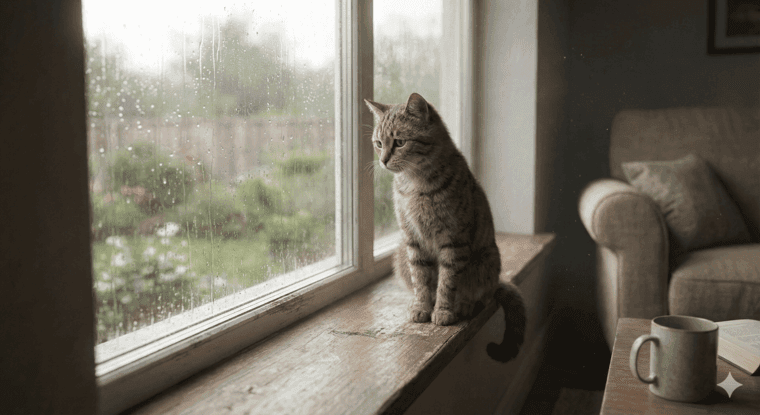
You head out the door for work, and as you glance back, your cat is sitting by the window watching you leave. Eight hours later, you return home to find them in the exact same spot. Or maybe your cat greets you at the door with non-stop meowing, following you from room to room like a shadow, desperate for attention. You start to wonder: is my cat lonely while I’m gone?
It’s a question many cat parents ask, especially those who work long hours or travel frequently. The popular image of cats as aloof, independent creatures who barely tolerate human presence has led many people to believe that cats don’t need companionship. But is that really true? Do cats get lonely when left alone for extended periods?
The short answer is yes, many cats do experience loneliness. While cats are more independent than dogs, they’re still social animals who form strong bonds and can suffer emotionally from prolonged isolation. In this comprehensive guide, we’ll explore the science behind cat loneliness, help you identify signs of loneliness in cats, discuss how long can cats be left alone safely, and provide practical solutions to ensure your feline friend stays happy and mentally healthy.
Understanding Cat Social Behavior: Debunking the “Solitary Cat” Myth
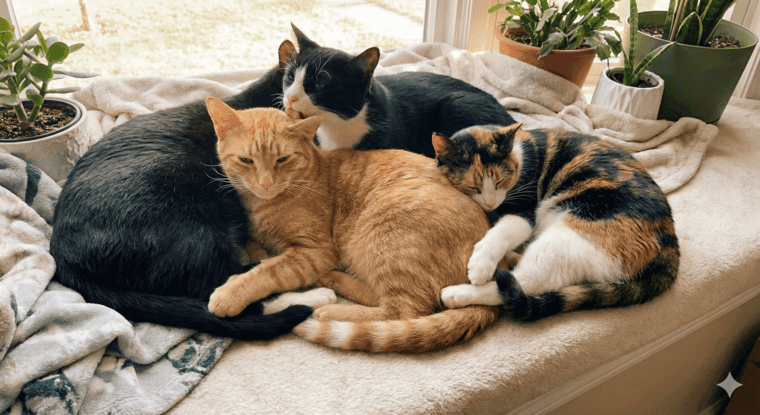
Let’s start by clearing up a major misconception that’s led to decades of misunderstanding about feline needs.
The Truth About Cat Socialization
The idea that cats are solitary, antisocial creatures is one of the most persistent myths in pet care. Yes, cats are more independent than dogs. Yes, they can entertain themselves better than many pets. But independent doesn’t mean they don’t need social interaction or that they enjoy being alone all the time.
Here’s what we know from research and observation:
- Feral cat colonies: Wild and feral cats often live in social groups called colonies, particularly when resources are abundant. They groom each other, raise kittens communally, and form complex social hierarchies.
- Domestic cats retain social instincts: House cats have been domesticated for thousands of years, and during that time, they’ve actually become MORE social, not less. They’ve adapted to view humans as part of their social group.
- Individual variation: Just like people, some cats are extroverts who crave constant companionship, while others are introverts who prefer more alone time. But even independent cats benefit from regular social interaction.
- Bonded relationships: Cats form genuine attachments to their human families and can experience separation distress when those bonds are disrupted.
How Cats Form Attachments
Research has shown that cats develop attachment styles to their owners similar to how children attach to parents. A 2019 study published in Current Biology found that cats display secure and insecure attachment behaviors, just like humans do.
Signs of a strongly bonded cat include:
- Greeting you at the door
- Following you around the house
- Seeking physical contact
- Showing distress when you leave
- Displaying relaxed, confident behavior in your presence
These attachments are real, and when disrupted by long absences, they can lead to loneliness and stress.
The Difference Between Independence and Loneliness
Here’s the nuance many people miss: cats can be both independent AND social. They don’t require constant attention like some dogs do, but that doesn’t mean they thrive in complete isolation.
Think of it this way: You can probably entertain yourself for several hours without getting bored. But if you were left completely alone for days or weeks with no human contact, you’d likely feel lonely and stressed. Cats are similar. They can handle alone time much better than dogs, but there’s a limit to how much isolation they can tolerate before it affects their wellbeing.
Do Cats Get Lonely? The Science and Research
So what does scientific research actually tell us about whether cats get lonely?
What Research Tells Us
Multiple studies have examined cat behavior and emotional states when separated from their owners or companions:
- Separation-related behaviors: Research shows that cats can develop separation anxiety, exhibiting stress behaviors when left alone, including excessive vocalization, destructive behavior, and inappropriate elimination.
- Cortisol studies: Studies measuring stress hormone levels in cats show elevated cortisol in cats left alone for extended periods, particularly in cats without adequate environmental enrichment.
- Behavioral observations: Researchers have documented that cats with inadequate social interaction show increased signs of depression, including lethargy, decreased appetite, and reduced play behavior.
- Attachment security: The aforementioned 2019 study demonstrated that 64% of cats showed secure attachment to their owners, meaning they use their humans as a source of security and comfort.
When Loneliness Becomes a Problem
The question isn’t really “do cats get lonely?” but rather “how much alone time is too much?” Several factors determine when loneliness becomes problematic:
Duration matters: A few hours alone is different from 12+ hours daily, which is different from several days without human contact.
Environmental enrichment: A cat left alone in a stimulating environment with toys, window views, and puzzle feeders will fare better than one in an empty apartment with nothing to do.
Individual personality: Some cats are naturally more social and suffer more from isolation, while others are content with less interaction.
Life stage: Kittens and senior cats typically need more frequent interaction and monitoring than healthy adult cats.
Individual Differences in Cats
Not all cats experience loneliness the same way. Factors affecting susceptibility include:
Breed tendencies: Some breeds like Siamese, Burmese, and Ragdolls are known for being particularly social and people-oriented. These cats are more likely to struggle with loneliness.
Early socialization: Cats well-socialized to humans as kittens tend to be more bonded and potentially more affected by isolation.
Previous experiences: Cats who’ve experienced abandonment or rehoming may have heightened separation anxiety.
Personality type: Just like humans, some cats are extroverts who need lots of social interaction, while others are introverts who are comfortable with more solitude.
Signs of Loneliness in Cats: How to Tell if Your Cat is Lonely
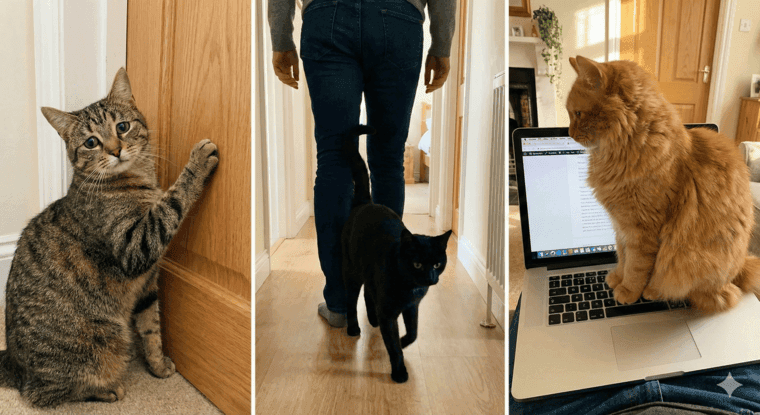
Recognizing signs of loneliness in cats is crucial because cats often suffer silently. Here’s what to watch for.
Behavioral Signs
Excessive vocalization: If your cat greets you with intense, prolonged meowing when you come home or cries frequently throughout the day, they may be expressing loneliness or distress about being alone.
Destructive behavior: Lonely, bored cats often act out by scratching furniture excessively, knocking things off counters, or shredding paper. This is often attention-seeking behavior or an outlet for pent-up energy and frustration.
Clinginess: Does your cat follow you from room to room, even to the bathroom? While some cats are naturally affectionate, sudden increases in clingy behavior can indicate they’re not getting enough interaction when you’re away.
Changes in sleep patterns: Cats sleep 12-16 hours daily, but extremely lonely cats may sleep even more from depression, or alternatively, sleep less due to stress and anxiety.
Hyperactivity upon your return: If your cat goes absolutely wild when you come home, racing around, demanding attention, bringing toys, they may be overwhelmed with pent-up energy and social need from being alone.
Physical and Health-Related Signs
Grooming changes: Lonely, stressed cats may over-groom (creating bald patches) or under-groom (appearing unkempt). Both extremes indicate emotional distress.
Appetite changes: Stress from loneliness can cause cats to eat significantly more (boredom eating) or less (stress-related appetite loss). Sudden weight changes warrant attention.
Litter box issues: Cats who are stressed or lonely sometimes start eliminating outside the litter box. This can be a cry for attention or a stress response.
Lethargy and depression: A lonely cat may show decreased interest in play, exploration, and normal activities. They might spend most of their time sleeping or staring out the window.
Emotional and Psychological Indicators
Separation anxiety symptoms: True separation anxiety includes distress behaviors like crying when you prepare to leave, destructive behavior in your absence, and excessive greeting behavior when you return.
Withdrawn behavior: Some cats respond to loneliness by becoming more reclusive, hiding more than usual, and avoiding interaction even when you are home.
Increased neediness: A cat who suddenly can’t settle unless they’re touching you, demands constant petting, or interrupts your activities for attention may be compensating for loneliness during your absence.
Regressive behaviors: Adult cats displaying kitten-like behaviors (excessive “nursing” on blankets, sucking behaviors) may be self-soothing due to stress and loneliness.
How to Differentiate Loneliness from Medical Issues
Many symptoms of loneliness overlap with medical problems. Before assuming behavioral causes, rule out health issues:
- Changes in vocalization, appetite, or litter box habits can indicate illness
- Over-grooming might be due to allergies or skin conditions
- Lethargy could signal pain, infection, or systemic disease
- Weight changes warrant veterinary examination
When to see a vet: If your cat shows sudden behavioral changes, always schedule a checkup first. Once medical causes are ruled out, you can focus on addressing emotional needs.
How Long Can Cats Be Left Alone Safely?

This is one of the most common questions from working cat parents and those who travel. The answer depends on several factors.
General Guidelines by Age
Kittens (under 6 months): Maximum 2-4 hours alone. Kittens need frequent feeding, litter box cleaning, and supervision for safety. They’re also in critical socialization periods and need regular interaction.
Adult cats (1-7 years): Can generally handle 24-48 hours alone with proper preparation (automatic feeders, multiple litter boxes, adequate water). However, daily alone time should ideally not exceed 8-10 hours regularly.
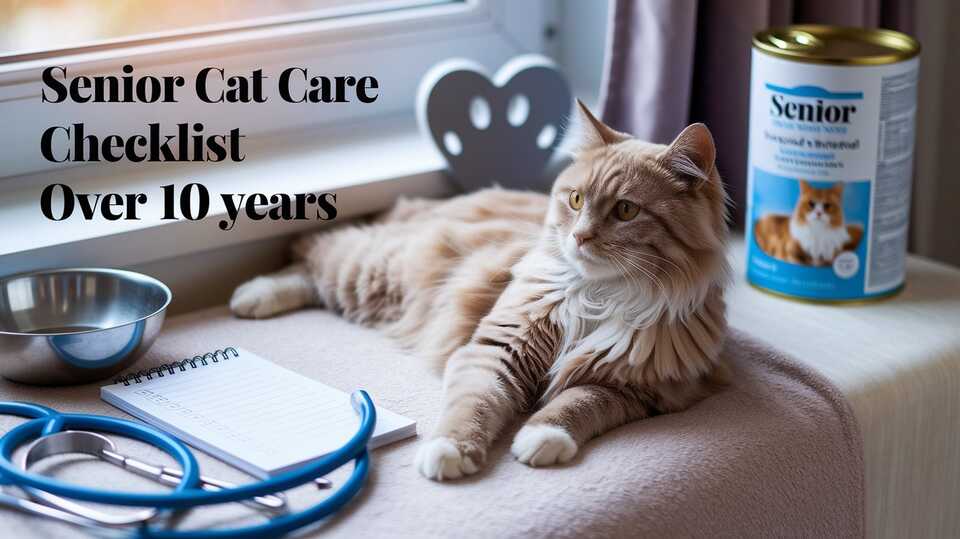
Senior cats (8+ years): Maximum 24 hours, preferably less. Older cats may have health issues requiring monitoring, are less able to handle stress, and benefit from more frequent interaction.
Factors That Affect Safe Alone Time
Beyond age, consider these factors when determining how long can cats be left alone:
Personality and independence: A confident, independent cat will tolerate longer alone periods than an anxious, clingy cat.
Health status: Cats with medical conditions (diabetes, kidney disease, etc.) need more frequent monitoring and care.
Single vs. paired: Bonded cat pairs entertain each other and generally handle alone time better than single cats.
Environmental enrichment: Cats in stimulating environments with toys, windows, climbing structures, and puzzles cope better with solitude.
Previous experience: Cats gradually accustomed to alone time adapt better than those suddenly left for long periods.
Daily Alone Time for Working Cat Parents
Most cat parents work regular jobs, meaning their cats are alone 8-10 hours daily. Is this okay?
Generally yes, with caveats:
- Your cat has adequate food, water, and clean litter
- The environment offers enrichment and stimulation
- You provide quality interaction morning and evening
- Your cat shows no signs of distress or loneliness
Red flags suggesting it’s too much:
- Your cat displays signs of loneliness in cats (listed above)
- Destructive or inappropriate behaviors develop
- Your cat seems depressed or anxious
- Health or wellbeing deteriorates
If 8-10 hours seems too long for your individual cat, consider:
- Pet sitter for midday visits
- Automatic feeders and toys
- Getting a second cat for companionship
- Working from home when possible
Maximum Time Limits and When Care is Necessary
Never leave an adult cat alone for more than 48 hours, and even that should be rare. Ideally, cats shouldn’t be alone more than 24 hours without a check-in.
For trips longer than 24 hours, arrange:
- Daily pet sitter visits (at least once daily, preferably twice)
- Boarding at a cat-friendly facility
- Friend or family caregiver
- Professional cat care service
What happens if cats are alone too long:
- Litter boxes become too dirty to use
- Water supplies can deplete or become contaminated
- Food can spoil or run out
- Medical emergencies go unnoticed
- Psychological distress accumulates
Solutions: How to Help a Lonely Cat
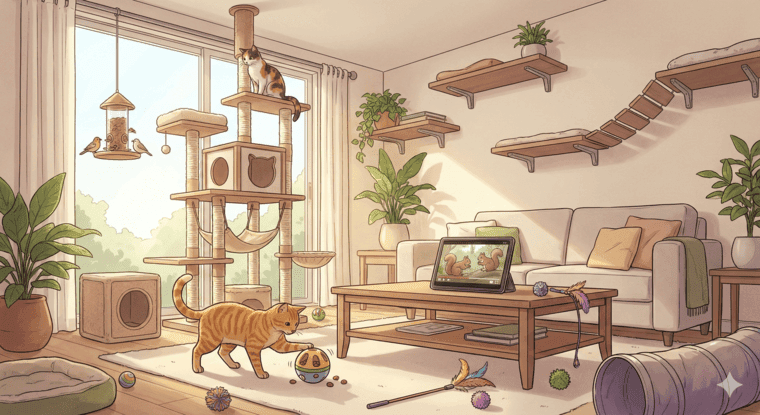
If you’ve recognized that your cat is lonely, or want to prevent loneliness, here are effective solutions.
Environmental Enrichment
Transform your home into a cat paradise that keeps your feline friend mentally stimulated:
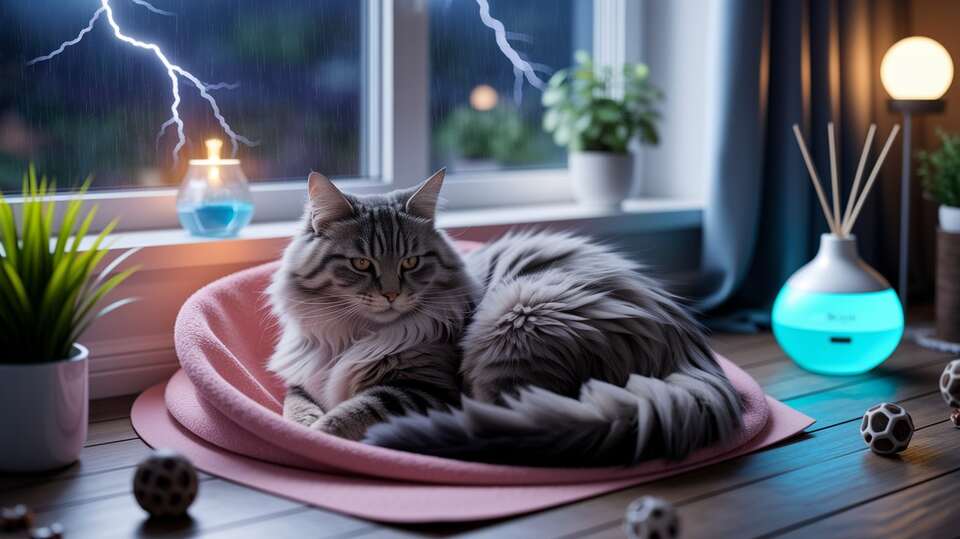
Window entertainment: Install bird feeders outside windows where your cat can watch. This provides hours of “Cat TV.” Window perches or cat trees near windows give comfortable viewing spots.
Vertical space: Cat trees, wall-mounted shelves, and climbing structures satisfy natural climbing instincts and create territory to patrol.
Puzzle feeders: These make your cat “hunt” for their food, providing mental stimulation and extending mealtime.
Toy rotation: Keep 5-7 toys available and rotate them weekly. Toys that seemed boring become exciting again after a break.
Hiding spots: Boxes, tunnels, and cat beds in various locations give your cat safe spaces to retreat.
Automated toys: Battery-operated toys that move randomly can activate during the day, providing play opportunities when you’re gone.
Establishing Routines
Cats thrive on predictability. Consistent routines reduce anxiety:
Morning ritual: Wake up, feed breakfast, engage in 15-20 minutes of active play before you leave. This tires your cat out for naptime while you’re gone.
Evening ritual: When you come home, give dedicated attention, play, petting, grooming, or training. This signals that your return means quality time together.
Consistent schedule: Leave and return at roughly the same times daily when possible. Predictability reduces stress.
Bedtime routine: A calm evening routine (gentle play, feeding, quiet time) helps cats settle for the night.
Quality Time When Home
It’s not just about quantity of time but quality of interaction:
Active play sessions: 15-20 minutes of intense interactive play twice daily (morning and evening) is crucial. Use wand toys, laser pointers (ending with a catchable toy), or ball play.
Focused attention: Put your phone down and actually engage with your cat. They know when you’re distracted.
Training and enrichment: Teach tricks using clicker training. Mental stimulation is as important as physical exercise.
Physical affection: Petting, brushing, and gentle handling strengthen your bond.
Considering a Second Cat
For many cats, the best solution to loneliness is feline companionship.
Benefits of a second cat:
- Built-in playmate who speaks the same language
- Mutual grooming and comfort
- Entertainment and stimulation for each other
- Reduced dependency on human entertainment
- Lower stress levels from companionship
Before getting a second cat, consider:
- Your current cat’s personality (territorial? social?)
- Age and energy level matching is important
- Proper introductions take 2-4 weeks minimum
- Double the expenses (food, vet care, supplies)
- Space requirements for two cats
When a second cat isn’t the answer:
- Your cat is territorial or aggressive toward other cats
- Senior cats who’ve always been solo may not adapt well
- Cats with anxiety issues may become more stressed
- Your cat shows no interest in other cats
If you do get a second cat, never rush introductions. Use separate spaces, gradual scent swapping, and controlled visual contact before allowing physical interaction.
Professional Help Options
Sometimes you need outside assistance:
Pet sitters: Daily visits to feed, play, clean litter, and provide companionship. Ideal for longer workdays or short trips.
Cat boarding facilities: Good for vacations. Look for cage-free “cat condos” rather than traditional kennels.
Automated technology: Cameras with two-way audio, treat dispensers, automatic feeders, and water fountains help bridge the gap when you can’t be there.
Preventing Loneliness Before It Starts
Proactive measures prevent loneliness from developing.
For New Cat Parents
Before adopting, consider:
- Your work schedule and lifestyle
- How many hours daily the cat will be alone
- Your travel frequency
- Support system for pet care
- Whether a bonded pair makes more sense than a single cat
Starting with proper socialization:
- Gradually increase alone time rather than sudden full days
- Create positive associations with your departure (treats when you leave)
- Build environmental enrichment from day one
- Establish routines immediately
For Existing Cat Parents
If you’re noticing early signs of loneliness:
- Increase environmental enrichment
- Add more play sessions
- Consider a companion cat if appropriate
- Adjust your routine to provide more quality time
- Address issues early before they become entrenched
Special Situations
Some scenarios require special attention.
Cats After Loss of Companion
If your cat loses a bonded companion (another cat or even a dog), they may grieve:
Signs of grief in cats:
- Searching for the lost companion
- Changes in vocalization
- Appetite changes
- Increased clinginess or withdrawal
- Changes in activity levels
How to help:
- Provide extra attention and comfort
- Maintain routines
- Consider whether a new companion might help (wait at least 2-3 months)
- Some cats prefer remaining solo after loss
Senior Cats and Loneliness
Older cats often become needier:
- Cognitive changes can cause confusion and anxiety
- Declining senses make them feel vulnerable
- Health issues increase comfort-seeking behavior
- They may need more frequent interaction and reassurance
Provide extra patience, attention, and monitoring for senior cats.
Recently Adopted Cats
Newly adopted cats, especially from shelters, may have abandonment issues:
- Previous trauma affects ability to trust
- Adjustment period varies (days to months)
- Extra reassurance and patience needed
- Establish security through routine
- Consider professional behavior support if severe anxiety persists
When Loneliness is Actually Something Else
Sometimes what looks like loneliness is actually a medical or behavioral issue.
Medical Issues That Mimic Loneliness
Hyperthyroidism: Causes increased vocalization, restlessness, and hyperactivity, easily mistaken for attention-seeking from loneliness.
Cognitive dysfunction: Senior cats with dementia show confusion, anxiety, and neediness that resembles loneliness.
Pain: Cats in pain may become clingy, vocal, or withdrawn.
Urinary issues: Distress from UTIs or blockages can cause crying and attention-seeking.
Always rule out medical causes with a veterinary exam before assuming behavioral issues.
Getting a Proper Diagnosis
If your cat’s behavior concerns you:
- Schedule a thorough vet checkup
- Describe all symptoms and behavior changes
- Consider a veterinary behaviorist referral if needed
- Rule out medical causes before assuming loneliness
- Follow through with recommended treatments or interventions
Conclusion
So, do cats get lonely? The evidence clearly shows that yes, many cats experience loneliness, especially when left alone for extended periods without adequate stimulation or companionship. Understanding the signs of loneliness in cats and knowing how long can cats be left alone safely are crucial parts of responsible cat ownership. Whether your cat needs more environmental enrichment, quality time with you, or perhaps a feline companion, there are effective solutions for every situation.
The good news is that with awareness, effort, and the right strategies, you can ensure your cat’s emotional needs are met even if you work full-time or have a busy lifestyle. Your cat depends on you not just for food and shelter, but for social interaction, mental stimulation, and emotional connection. By recognizing their need for companionship and taking steps to address loneliness, you’re giving your cat the gift of a happier, healthier, more fulfilling life, and strengthening the incredible bond you share.
Also Read - Cat Tail Puffed Up But Not Scared: Decoding Excited and Playful Body Language Signals
Frequently Asked Questions
Can a cat be happy being the only pet?
Yes, absolutely! Many cats thrive as solo pets, especially if they’re naturally independent, receive adequate human interaction, and have a stimulating environment. The key is meeting their individual social needs through quality time with you, environmental enrichment, and mental stimulation. Not every cat needs another cat to be happy.
How do I know if my cat needs a companion?
Signs your cat might benefit from a companion include: excessive attention-seeking, destructive behavior from boredom, showing interest in cats outside windows, playing enthusiastically with other cats when visiting friends, and displaying loneliness symptoms despite adequate human interaction. However, always consider your cat’s personality, territorial or aggressive cats likely won’t appreciate a companion.
Is it better to have two cats or one?
It depends on your situation. Two cats offer each other companionship, entertainment, and are often less work for busy owners since they entertain each other. However, two cats mean double the expenses, require more space, and need compatible personalities. If you work long hours and your cat shows loneliness signs, a second cat often helps. If you’re home frequently and can provide adequate interaction, one cat may be perfect.
My cat sleeps all day while I’m gone, is that loneliness?
Not necessarily. Cats naturally sleep 12-16 hours daily, often during daytime when their humans are at work. This is normal behavior, not loneliness. However, if your cat is sleeping significantly MORE than usual, shows no interest in play, seems lethargic when you are home, or displays other signs of depression, the excessive sleeping might indicate a problem, either loneliness or medical issues.
Can cats die from loneliness?
Cats won’t die directly from loneliness, but chronic loneliness and stress can lead to serious health problems. Prolonged stress weakens the immune system, can trigger or worsen conditions like urinary blockages or fatty liver disease, and may cause cats to stop eating (which is dangerous). Additionally, severe depression can reduce quality of life significantly. While rare, the health consequences of extreme, prolonged isolation can be life-threatening.