

Medical Disclaimer: This article is for educational purposes only and is not intended to replace professional veterinary care. Always consult with your veterinarian for medical advice regarding your pet’s health.
Introduction: Senior Cat Health Warning Signs
I still remember the day I realized my 13-year-old tabby, Smokey, wasn’t just “slowing down with age.” It started with subtle changes—sleeping a bit more, drinking water more frequently, and seeming less interested in his favorite treats. Like many cat parents, I initially dismissed these signs as normal aging. It wasn’t until he had difficulty jumping onto his favorite windowsill that I scheduled a vet visit. The diagnosis? Early-stage kidney disease that, thankfully, we caught in time to manage effectively.
This experience taught me that recognizing senior cat health warning signs can be the difference between years of quality life and missing critical opportunities for early intervention. According to the American Association of Feline Practitioners, cats are considered seniors at age 11, yet studies show that 65% of senior cats don’t receive adequate veterinary care because owners don’t recognize the subtle signs of illness.
Here’s what many cat parents don’t realize: senior cats are masters at hiding discomfort and illness. This evolutionary trait that helped wild cats avoid showing vulnerability to predators can work against our beloved indoor companions, making early detection of health problems challenging but absolutely crucial.
The statistics are sobering: while proper senior care can help cats live well into their late teens or even early twenties, undiagnosed conditions like kidney disease, hyperthyroidism, and diabetes can dramatically shorten both lifespan and quality of life. The good news? Most senior cat health conditions are highly manageable when caught early, and many cats with chronic conditions can live comfortably for years with appropriate care.
In this comprehensive guide, we’ll explore the critical aging cat symptoms that require immediate veterinary attention, the subtle early warning signs that are often overlooked, and practical strategies for monitoring your senior cat’s health at home. Whether your cat is just entering their senior years or you’re caring for a geriatric feline, this guide will help you recognize when changes are concerning and when to trust your instincts about seeking professional care.
When Cats Become “Senior” and What Changes
Understanding the senior cat life stage helps put health changes into proper context and sets realistic expectations for what constitutes normal aging versus concerning symptoms requiring veterinary attention.
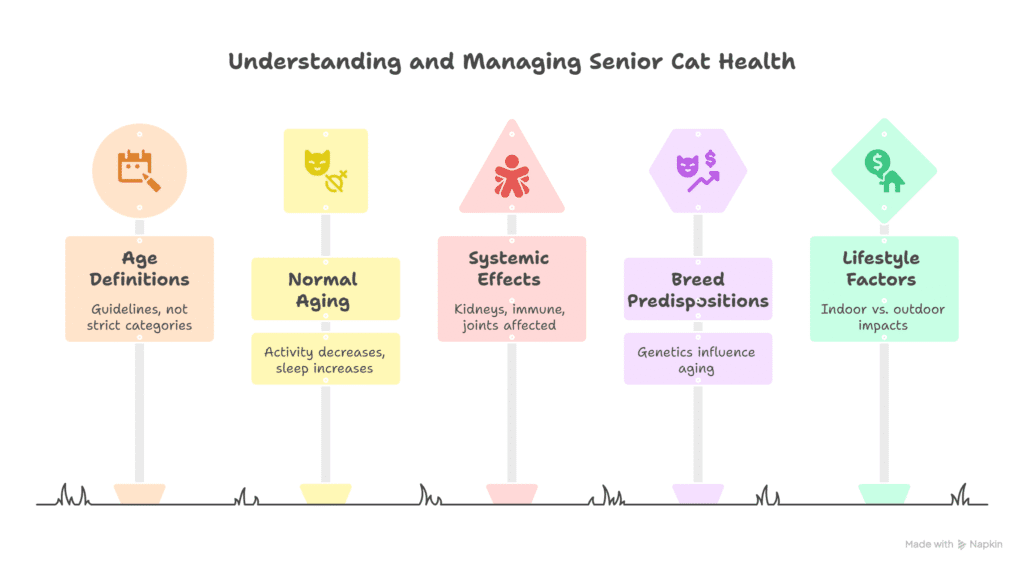
Age definitions in feline medicine provide important guidelines, though individual cats may age differently based on genetics, lifestyle, and healthcare history. Cats are considered mature adults from ages 7-10, senior from ages 11-14, and geriatric at 15 years and older. However, these are guidelines rather than strict categories—some cats show senior-related changes at age 9, while others remain spry well into their mid-teens.
Normal aging processes do cause legitimate changes that aren’t necessarily cause for alarm. Elderly cat health naturally involves some decrease in activity levels, slightly increased sleep time, and gradual changes in metabolism. Senior cats may become more selective about food preferences, show mild stiffness after sleeping, and demonstrate increased attachment to warm, comfortable spots.
How aging affects major body systems helps distinguish normal changes from concerning symptoms. The kidneys gradually lose filtering efficiency, which is why increased water consumption and urination can be early signs of kidney disease rather than simple aging. The immune system becomes less robust, making senior cats more susceptible to infections and slower to recover from illness. Joint cartilage naturally degenerates, leading to some stiffness, but severe mobility limitations aren’t normal and often indicate treatable arthritis.
Breed-specific considerations influence both aging timelines and health predispositions. Larger breeds like Maine Coons may show joint-related aging changes earlier due to their size, while breeds like Siamese have higher predispositions to certain conditions like amyloidosis. Persian cats face unique challenges related to their facial structure as they age, including increased risk of dental problems and breathing difficulties.
Indoor versus outdoor senior cat factors significantly impact both lifespan and health monitoring needs. Indoor senior cats typically live longer but may face different health challenges like obesity and dental disease from lack of natural prey consumption. Outdoor seniors face greater infectious disease risks and injury potential but may maintain better muscle tone through natural activity. Regardless of lifestyle, both indoor and outdoor senior cats benefit from increased monitoring and preventive care.
The key insight for senior feline care is that while some changes are inevitable with aging, dramatic alterations in behavior, appetite, elimination habits, or mobility often indicate treatable conditions rather than simple old age. When in doubt, it’s always better to err on the side of caution and consult with your veterinarian.
Emergency Symptoms That Can’t Wait
Some senior cat health warning signs constitute veterinary emergencies requiring immediate professional attention. Recognizing these critical symptoms can be lifesaving and prevent unnecessarily prolonged suffering.
When Breathing Becomes Urgent
Respiratory emergencies in senior cats often indicate serious cardiac or pulmonary conditions that can rapidly become life-threatening. Labored breathing where you can see your cat working hard to breathe, especially if they’re breathing with their mouth open or making wheezing sounds, requires immediate veterinary care.
Blue gums or tongue discoloration indicates inadequate oxygen circulation and constitutes a critical emergency. Normal cat gums should be pink and moist—any deviation from this, especially blue, white, or gray coloration, needs immediate attention.
Sudden onset coughing or persistent wheezing in senior cats often indicates heart disease, lung problems, or fluid accumulation that requires urgent evaluation. While occasional hairball-related coughing is normal, persistent coughing or any difficulty breathing should never be dismissed as age-related.
Chest heaving or abdominal breathing where you can see your cat’s abdomen moving dramatically with each breath indicates respiratory distress. Normal cat breathing should be relatively effortless and primarily involve chest movement rather than obvious abdominal effort.
Heart-Related Emergencies
Cardiovascular warning signs become more common in senior cats and often require immediate intervention to prevent life-threatening complications. Sudden weakness or collapse episodes, even if your cat seems to recover quickly, can indicate serious heart conditions requiring urgent evaluation.
Cold extremities combined with pale gums suggest circulatory problems that need immediate attention. Check your cat’s ears, paw pads, and gum color—they should feel warm and appear pink. Cold, white, or blue-tinged extremities indicate poor circulation.
Irregular heartbeat or racing pulse can sometimes be detected by gently feeling your cat’s chest or femoral pulse. While you shouldn’t attempt to diagnose heart conditions at home, noticing dramatically fast, slow, or irregular heart rhythms warrants immediate veterinary evaluation.
Fluid accumulation signs include sudden abdominal distension, difficulty breathing, or swelling in the legs or face. These symptoms often indicate heart failure or other serious conditions requiring emergency treatment.
Brain and Nervous System Concerns
Neurological emergencies in senior cats can indicate strokes, brain tumors, or other serious conditions requiring immediate intervention. Seizures of any type constitute emergencies, whether they involve dramatic convulsions or more subtle symptoms like repetitive behaviors, disorientation, or loss of consciousness.
Loss of coordination or sudden balance problems beyond mild arthritis-related stiffness can indicate neurological issues. If your senior cat suddenly seems drunk, uncoordinated, or unable to walk normally, seek immediate veterinary care.
Head tilting, circling behavior, or rapid eye movements often indicate inner ear problems or neurological conditions that require prompt evaluation. These symptoms can be disorienting and frightening for cats and may indicate conditions that respond better to early treatment.
Sudden personality changes or uncharacteristic aggression can sometimes indicate neurological problems, especially if accompanied by other concerning symptoms. While some personality changes occur with aging, dramatic alterations warrant veterinary evaluation.
Digestive System Alarms
Gastrointestinal emergencies can quickly become life-threatening in senior cats, particularly when they involve dehydration or intestinal blockages. Persistent vomiting or dry heaving, especially if your cat can’t keep water down, can rapidly lead to dangerous dehydration.
Signs of intestinal blockage include straining to defecate with little or no production, vomiting (especially if projectile or containing unusual material), abdominal distension, and obvious abdominal pain. Senior cats are at higher risk for blockages due to decreased intestinal motility and potential for hairball complications.
Severe diarrhea, especially if bloody, can quickly lead to dehydration and electrolyte imbalances that are particularly dangerous for senior cats. Any blood in stool or vomit should prompt immediate veterinary consultation.
Abdominal distension or obvious pain evidenced by your cat crying when touched, assuming unusual postures, or showing reluctance to move can indicate serious internal problems requiring emergency intervention.
The Quiet Symptoms That Speak Volumes
Many of the most important aging cat symptoms are subtle changes that develop gradually, making them easy to overlook but crucial for early intervention and successful treatment outcomes.
Behavior Pattern Disruptions
Changes in daily habits often provide the earliest clues about developing health problems in senior cats. Altered sleeping patterns might include sleeping significantly more than usual, difficulty getting comfortable, or changes in preferred sleeping locations. While senior cats do sleep more, dramatic changes can indicate pain, cognitive dysfunction, or other health issues.
Grooming habit changes are particularly significant in senior cats. Decreased grooming leading to a dull, matted coat can indicate arthritis making grooming painful, dental problems causing mouth discomfort, or general illness affecting energy levels. Conversely, excessive grooming in new areas might indicate skin problems, allergies, or stress-related behaviors.
Litter box changes extend beyond obvious accidents to include subtle alterations in elimination habits. These might include urinating or defecating outside the box occasionally, changes in elimination frequency, or alterations in typical elimination locations within the box. Senior cats may also show reluctance to climb into high-sided litter boxes due to arthritis.
Social behavior modifications can signal various health concerns. Previously social cats becoming withdrawn might indicate pain, cognitive changes, or sensory decline. Alternatively, previously independent cats becoming clingy could indicate anxiety related to sensory changes or discomfort.
Food-Related Warning Signs
Appetite and eating changes in senior cats can indicate numerous underlying conditions and should never be dismissed as simple pickiness. Gradual appetite loss is particularly concerning because cats can develop serious liver problems if they don’t eat adequately for even short periods.
Difficulty chewing or swallowing might manifest as dropping food, eating more slowly, preferring soft foods, or showing reluctance to eat hard treats they previously enjoyed. These changes often indicate dental problems, which are extremely common in senior cats and can lead to serious health complications if left untreated.
Weight loss despite normal eating is a classic sign of hyperthyroidism, diabetes, or other metabolic conditions common in senior cats. Regular weight monitoring at home helps detect gradual changes that might not be obvious during casual observation.
Increased thirst and urination represent some of the most important early warning signs for common senior cat conditions including kidney disease, diabetes, and hyperthyroidism. While these changes can be subtle initially, they often precede more obvious symptoms by months.
Arthritis and Joint Problems
Mobility and movement issues are among the most underrecognized health problems in senior cats because cats are experts at adapting their behavior to compensate for discomfort. Reluctance to jump or climb to previously accessible areas might be dismissed as laziness but often indicates joint pain.
Stiffness after sleeping that improves with movement is a classic sign of arthritis. You might notice your senior cat moving more slowly when first getting up, stretching more frequently, or taking longer to reach normal activity levels after rest periods.
Changes in walking gait can be subtle but significant. These might include a shorter stride, reluctance to bear weight equally on all legs, or changes in how your cat navigates stairs or uneven surfaces. Video recording your cat’s movement can help you notice gradual changes and provide valuable information for your veterinarian.
Difficulty using litter box or accessing elevated areas often reflects mobility limitations that affect quality of life. Senior cats with arthritis may avoid using litter boxes with high sides, stop using elevated feeding stations, or give up accessing favorite perching spots.
Vision and Hearing Decline
Sensory changes are common in senior cats and can significantly impact their behavior and quality of life if not recognized and accommodated. Vision changes might manifest as bumping into furniture, especially in dim light, hesitation when navigating familiar environments, or reluctance to jump to areas they can’t clearly see.
Dilated pupils that don’t respond normally to light changes can indicate various conditions from high blood pressure to neurological problems. Changes in eye appearance, including cloudiness, discharge, or obvious discomfort, warrant veterinary evaluation.
Hearing decline often manifests as increased vocalization, failure to respond to their name or familiar sounds, or seeming “confused” about their environment. Some cats become more vocal as hearing declines, possibly trying to hear their own voice or communicate more loudly.
Increased confusion or disorientation can result from combined sensory decline, cognitive changes, or various medical conditions. Senior cats showing signs of confusion, getting lost in familiar environments, or displaying unusual anxiety may benefit from both medical evaluation and environmental modifications.
Age-Related Diseases to Watch For
Understanding common senior cat health conditions helps cat parents recognize early symptoms and understand the importance of regular screening for these prevalent diseases.
The Silent Kidney Killer
Kidney disease affects an estimated 30-50% of cats over age 15, making it one of the most important conditions to monitor in senior felines. Early symptoms are notoriously subtle and often dismissed as normal aging: increased water consumption, slightly increased urination, and gradual weight loss.
Disease progression typically occurs over months to years, with cats initially compensating well for declining kidney function. By the time obvious symptoms like loss of appetite, nausea, or dramatic weight loss appear, kidney function may be significantly compromised.
Diagnostic indicators include elevated kidney values on blood work, changes in urine concentration, and elevated blood pressure. Regular screening allows for early detection when treatment can be most effective in slowing disease progression and maintaining quality of life.
Management strategies for kidney disease focus on supporting remaining kidney function through specialized diets, maintaining hydration, managing blood pressure, and monitoring for complications. With proper management, many cats with kidney disease can maintain good quality of life for years.
The Overactive Thyroid Problem
Hyperthyroidism is extremely common in senior cats, affecting approximately 10% of cats over age 10. The condition involves overproduction of thyroid hormone, leading to a characteristic cluster of symptoms that can initially appear as signs of good health in aging cats.
Classic symptoms include increased appetite combined with weight loss, increased activity levels, increased vocalization, and increased water consumption and urination. Many cat parents initially feel pleased that their senior cat seems more energetic, not realizing this represents a medical condition.
Advanced symptoms include vomiting, diarrhea, poor coat condition, and cardiac complications from prolonged elevated heart rate. If left untreated, hyperthyroidism can lead to serious heart problems and other complications.
Treatment options include medication, radioactive iodine therapy, or surgical removal of thyroid tissue. Most cats respond well to treatment, with many returning to normal weight and behavior patterns within weeks to months of beginning appropriate therapy.
Managing Feline Diabetes
Diabetes mellitus typically develops in senior cats, often associated with obesity, previous steroid use, or genetic predisposition. The condition involves inadequate insulin production or insulin resistance, leading to elevated blood glucose levels.
Early symptoms mirror those of other senior cat conditions: increased water consumption, increased urination, weight loss despite good appetite, and sometimes increased hunger. These symptoms can develop gradually over weeks to months.
Risk factors include obesity, physical inactivity, male gender, and age over 8 years. Cats who have received steroid treatments or have other endocrine disorders face increased diabetes risk.
Management requirements typically include insulin injections, dietary modifications, weight management, and regular blood glucose monitoring. While diabetes management requires commitment from cat parents, most diabetic cats can achieve good glucose control and maintain excellent quality of life.
The Hidden Pain of Aging
Arthritis and joint disease affect an estimated 90% of cats over age 12, yet this condition remains significantly underdiagnosed and undertreated because cats rarely show obvious pain behaviors.
Subtle mobility changes include reluctance to jump, preference for lower sleeping spots, changes in play behavior, and alterations in grooming patterns. Cats with arthritis often compensate so well that owners don’t recognize their pets are experiencing discomfort.
Pain recognition in cats requires understanding that feline pain expressions differ dramatically from those of dogs or humans. Rather than whimpering or limping obviously, cats with arthritis often simply alter their activities to avoid discomfort.
Treatment options include weight management, environmental modifications, pain medications, and supplements designed to support joint health. Many senior cats experience dramatic improvements in comfort and activity levels when arthritis is properly managed.
Monthly Home Health Checks for Senior Cats
Implementing regular elderly cat health monitoring at home helps detect subtle changes early and provides valuable information for veterinary consultations.
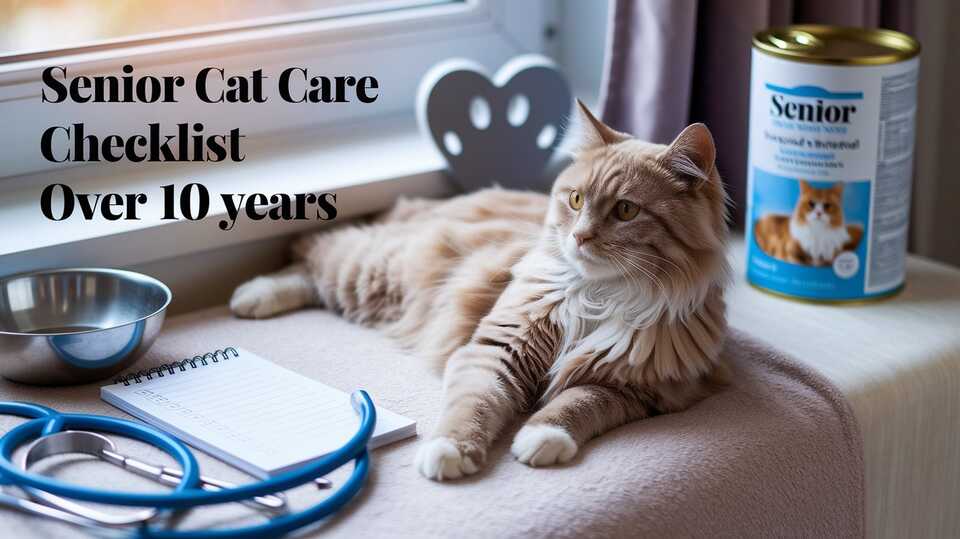
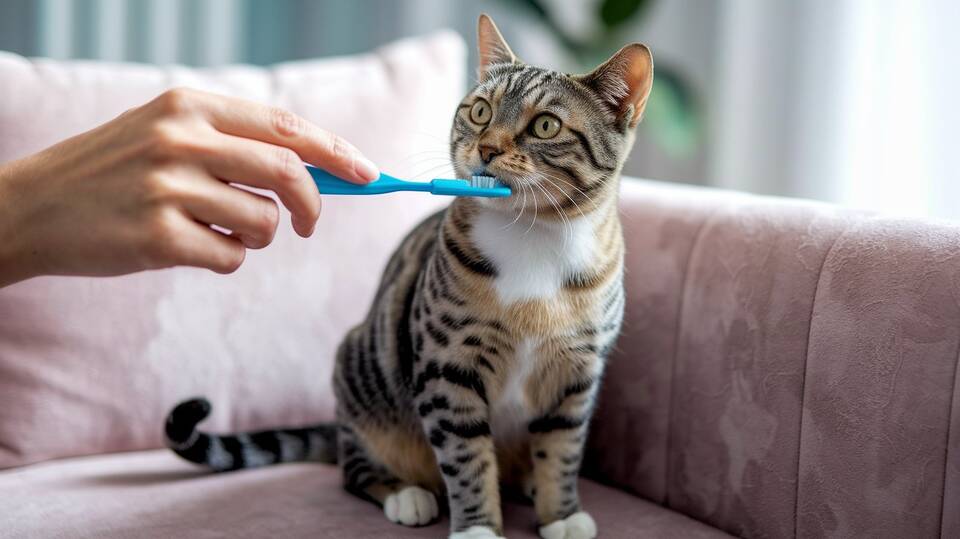
Eyes, ears, and mouth examination should be performed monthly in a calm, comfortable environment. Check for discharge, cloudiness, or changes in eye appearance. Ears should be clean without excessive wax, discharge, or odor. The mouth examination should note gum color (should be pink), breath odor, and visible dental problems like tartar buildup or loose teeth.
Lymph node and body condition assessment involves gently feeling for enlarged lymph nodes under the jaw, in the armpit area, and behind the hind legs. Body condition assessment includes feeling for your cat’s ribs (should be easily felt but not visible) and monitoring for weight changes using a consistent scale if possible.
Coat and skin evaluation should note changes in coat quality, skin condition, or the presence of lumps, bumps, or areas of hair loss. Senior cats may develop various skin conditions, and early detection often leads to more successful treatment outcomes.
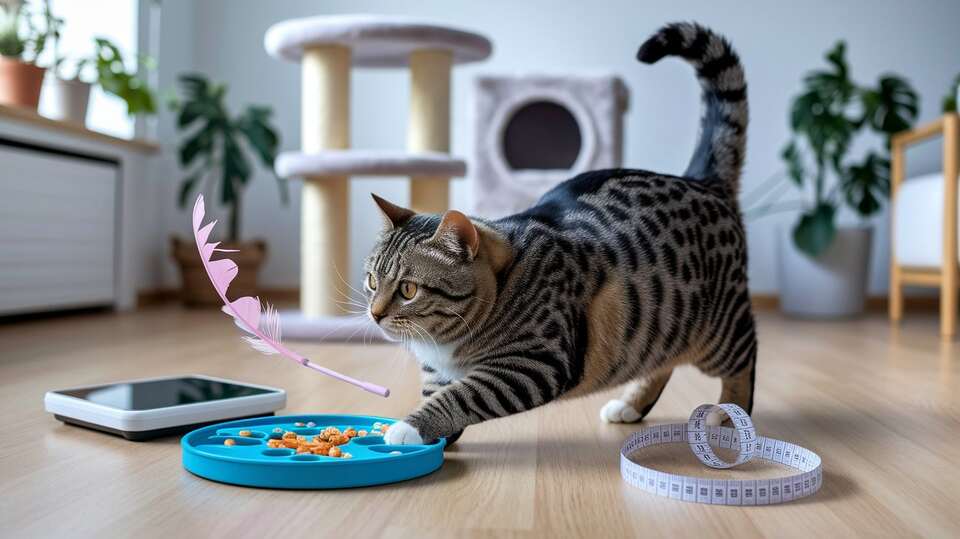
Weight monitoring is crucial because weight changes often precede other symptoms. Weigh your senior cat monthly using a consistent method—many cat parents find success with digital scales, weighing themselves first, then holding their cat and subtracting the difference.
Behavioral and activity tracking involves noting changes in appetite, elimination habits, sleep patterns, and activity levels. Keeping a simple log can help identify gradual changes that might otherwise go unnoticed and provide valuable information for veterinary consultations.
Timing Your Vet Consultations
Understanding when to seek veterinary care helps ensure your senior cat receives appropriate attention without unnecessary stress from excessive visits.
Emergency versus urgent versus routine care distinctions help prioritize veterinary needs appropriately. Emergency care involves life-threatening symptoms requiring immediate attention. Urgent care includes concerning symptoms that need veterinary evaluation within 24-48 hours. Routine care encompasses preventive visits and monitoring of stable chronic conditions.
Recommended examination frequency for senior cats typically includes comprehensive examinations every 6 months, with more frequent visits for cats with chronic conditions. This schedule allows for early detection of common senior cat problems and monitoring of existing conditions.
Preparing for veterinary visits involves gathering relevant information about changes you’ve noticed, bringing a list of questions, and considering bringing photos or videos of concerning behaviors. Many senior cat conditions benefit from detailed history and observation records.
Important questions for your veterinarian include asking about appropriate screening tests, discussing quality of life indicators, and understanding warning signs for your cat’s specific health conditions. Don’t hesitate to ask for clarification about treatment options, costs, and expected outcomes.
Baseline testing importance cannot be overstated for senior cats. Establishing baseline values for kidney function, thyroid levels, and other important health indicators when your cat is healthy allows for meaningful comparison when health changes occur.
Quality of Life Considerations
Balancing medical treatment with comfort becomes increasingly important as cats enter their senior years and face various health challenges.
Assessing pain and discomfort levels in cats requires understanding subtle signs since cats rarely display obvious pain behaviors. Look for changes in mobility, grooming habits, sleep patterns, and social interactions that might indicate discomfort.
Treatment appropriateness should consider your cat’s overall health status, life expectancy, and quality of life implications. Some aggressive treatments may not be appropriate for very elderly cats or those with multiple health conditions.
Palliative care options focus on maintaining comfort and quality of life rather than aggressive treatment of underlying conditions. This approach can be appropriate for cats with advanced age or multiple health problems where treatment might cause more stress than benefit.
End-of-life decision making represents one of the most difficult aspects of senior cat care. Working closely with your veterinarian to understand your cat’s condition, prognosis, and quality of life indicators helps guide these important decisions.
Care plan collaboration with your veterinarian should include honest discussions about your goals, limitations, and concerns regarding your senior cat’s care. Many veterinarians appreciate cat parents who are thoughtful about quality of life considerations and realistic about treatment expectations.
Conclusion
Recognizing senior cat health warning signs isn’t about becoming a veterinary diagnostician—it’s about becoming a more observant, informed advocate for your aging feline companion. The subtle changes that often precede serious health conditions can be easily missed in the busy flow of daily life, but taking time to really observe your senior cat can make the difference between catching problems early when they’re most treatable and dealing with advanced conditions that may have limited treatment options.
Remember that senior cats are masters at hiding discomfort and illness, making your role as their primary observer crucial for maintaining their health and quality of life. Trust your instincts—you know your cat better than anyone else. If something seems “off” or different, don’t hesitate to consult with your veterinarian. It’s always better to investigate a concern that turns out to be nothing than to miss an early opportunity for intervention.
The investment in regular monitoring, preventive care, and early intervention pays enormous dividends in both quality and quantity of life for senior cats. Many age-related conditions are highly manageable when caught early, allowing cats to maintain comfort and happiness well into their geriatric years.
Most importantly, don’t let the fear of finding something wrong prevent you from staying vigilant about your senior cat’s health. Knowledge and early action are powerful tools that can help ensure your feline companion enjoys their golden years with dignity, comfort, and continued joy in their daily activities.
Your senior cat has given you years of companionship and love—staying alert to their changing health needs is one of the most meaningful ways you can return that devotion and ensure they receive the care they deserve in their later years.
Also Read - Natural Cat Scratch Deterrents: 7 Safe Ways to Protect Your Furniture
FAQs About Senior Cat Health Warning Signs
How often should senior cats see the vet?
Senior cats (11+ years) should have comprehensive veterinary examinations every 6 months, compared to annual exams for younger cats. This increased frequency allows for early detection of common age-related conditions like kidney disease, hyperthyroidism, and arthritis when treatment is most effective. Cats with diagnosed chronic conditions may need more frequent monitoring visits.
What’s normal aging vs. concerning symptoms?
Normal aging includes mild decreases in activity, some increase in sleep time, and occasional stiffness after rest. Concerning symptoms include dramatic appetite changes, significant weight loss or gain, increased thirst and urination, difficulty breathing, obvious pain or discomfort, and major behavioral changes. When in doubt, it’s always better to have changes evaluated by a veterinarian.
When is weight loss in senior cats worrying?
Any unexplained weight loss in senior cats warrants veterinary evaluation, especially if it exceeds 5% of body weight. Gradual weight loss despite normal appetite often indicates conditions like hyperthyroidism or diabetes. Rapid weight loss or loss of appetite requires immediate veterinary attention as cats can develop serious liver problems if they don’t eat adequately.
Are personality changes normal in aging cats?
Minor personality changes can occur with aging, but dramatic alterations are often signs of medical issues rather than normal aging. Sudden aggression, withdrawal from social interaction, increased vocalization, or signs of confusion may indicate pain, sensory decline, cognitive dysfunction, or other health problems requiring veterinary evaluation.
How do I know if my senior cat is in pain?
Cats hide pain well, so look for subtle signs: reluctance to jump or climb, changes in grooming habits, altered sleep patterns, decreased activity, changes in litter box usage, and modifications in social behavior. Cats in pain often simply avoid activities that cause discomfort rather than showing obvious distress signals.
What’s the most important health screening for senior cats?
Comprehensive blood work including kidney function tests, thyroid levels, and blood glucose is crucial for senior cats. These tests can detect kidney disease, hyperthyroidism, and diabetes before obvious symptoms appear. Blood pressure monitoring is also important as high blood pressure is common in senior cats and can indicate various underlying conditions.
Should I change my senior cat’s diet?
Diet changes should be based on your cat’s specific health needs and veterinary recommendations. Some senior cats benefit from diets formulated for kidney support, weight management, or easier digestion. However, healthy senior cats may not need diet changes unless recommended by their veterinarian based on health status and body condition.
How can I make my home more senior cat friendly?
Provide easier access to favorite spots with ramps or steps, use lower-sided litter boxes, ensure adequate lighting, offer multiple comfortable sleeping areas, consider heated beds for arthritic joints, and keep resources (food, water, litter) easily accessible. These modifications help senior cats navigate their environment comfortably despite age-related changes.
What are the first signs of kidney disease in cats?
Early kidney disease signs include increased water consumption, increased urination, gradual weight loss, and sometimes increased appetite. These symptoms are often subtle and develop gradually, making them easy to miss. Regular blood work is the most reliable way to detect early kidney disease before obvious symptoms appear.
When should I start considering my cat “senior”?
Cats are generally considered senior around age 11, though some breeds and individual cats may show aging changes earlier or later. It’s beneficial to begin senior-focused care (more frequent vet visits, closer health monitoring, environmental modifications) around age 7-8 to establish baselines and catch any early changes in health status.
Thank you for your sharing. I am worried that I lack creative ideas. It is your article that makes me full of hope. Thank you.