Introduction
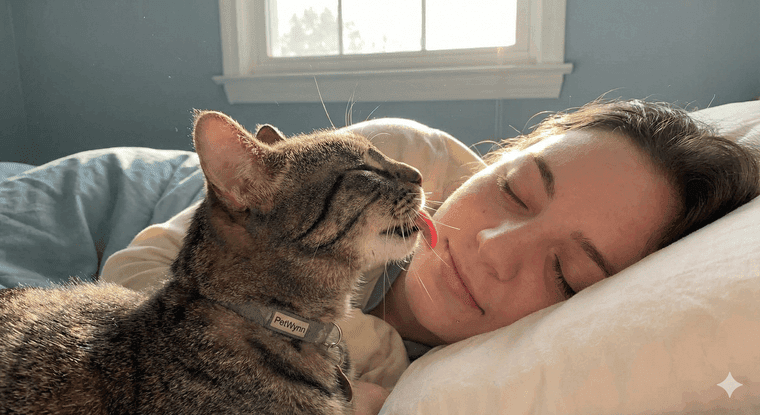
You’re deep in sleep, enjoying a peaceful dream, when suddenly you feel it, that unmistakable sandpaper sensation of your cat’s tongue dragging across your cheek, nose, or forehead. You crack open one eye to find your beloved feline inches from your face, methodically grooming you like you’re another cat. It’s 3 AM. Again.
If you’ve ever wondered, “Why does my cat lick my face when I sleep?” you’re definitely not alone. This is one of those quintessential cat behaviors that’s simultaneously adorable and slightly annoying, especially when it happens during the precious hours you should be sleeping. But here’s the thing, your cat isn’t trying to torment you. In fact, most of the time, this behavior comes from a place of deep affection and instinct.
In this article, we’ll explore the fascinating reasons behind cat nighttime grooming, what the cat licking behavior meaning really is, and most importantly, what you can do about it if those 3 AM wake-up licks are getting to be too much. Let’s dive into the world of feline nighttime affection!
Understanding Cat Licking Behavior: The Basics
Before we get into why your cat specifically targets your face during your most vulnerable sleeping hours, let’s talk about why cats lick in general.
Why Cats Lick in General
Licking is fundamental to being a cat. From the moment they’re born, cats are licked by their mothers, and they quickly learn to groom themselves. But licking serves multiple purposes beyond just staying clean:
- Grooming and hygiene: The most obvious reason, cats are famously fastidious creatures
- Social bonding: In cat colonies, cats groom each other to strengthen relationships
- Communication: Licking is one way cats express emotions and intentions
- Self-soothing: The repetitive motion can be calming and stress-relieving
- Temperature regulation: Saliva evaporation helps cool them down
When your cat licks you, they’re engaging in a behavior that’s deeply wired into their DNA. It’s not random, it means something.
The Unique Texture of a Cat’s Tongue
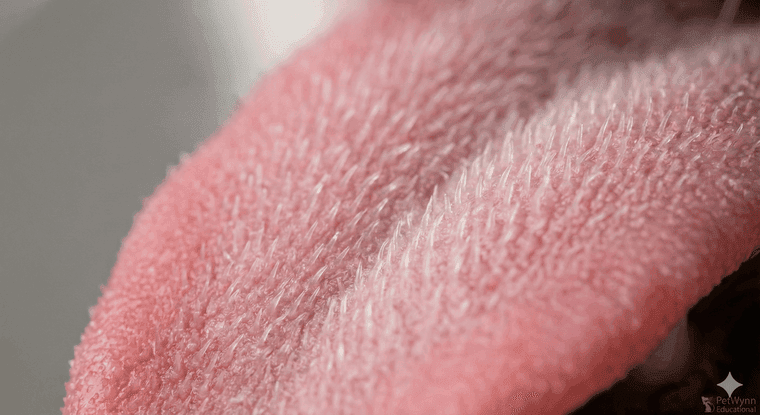
Ever notice how your cat’s tongue feels like fine-grit sandpaper? That’s because it’s covered in tiny, backward-facing barbs called papillae. These hook-like structures are made of keratin (the same stuff as your fingernails) and serve multiple purposes:
- They help remove loose fur and debris during grooming
- They distribute natural oils through the coat
- They help cats lap up water more efficiently
- They’re useful for scraping meat off bones (remember, cats are carnivores!)
So when your cat is giving your face the sandpaper treatment at 2 AM, they’re using the same grooming tool they use on themselves. To them, it’s the highest quality care available.
Cat Nighttime Grooming Patterns
Here’s an important piece of the puzzle: cats are crepuscular, meaning they’re most active during dawn and dusk. This is leftover from their wild ancestors, who hunted during these times when prey was most active and they had cover of partial darkness.
What does this mean for you? Well, while you’re trying to get a solid eight hours, your cat is hitting their peak energy and activity time, typically between midnight and 5 AM. This is when cat nighttime grooming behaviors tend to kick in, and if they’ve decided you’re part of their grooming routine, that’s when you’ll feel that scratchy tongue on your face.
The Main Reasons Why Your Cat Licks Your Face When You Sleep
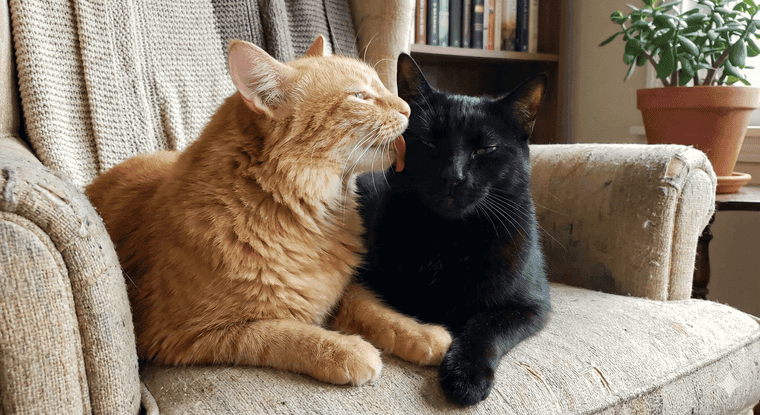
Now let’s get to the heart of the matter. Why does your cat lick your face when you sleep, specifically? Here are the most common reasons behind this behavior.
1. Showing Love and Affection
This is the big one, and honestly, it’s the sweetest reason. When cats groom each other, it’s called allogrooming, and it’s a social bonding behavior. Mother cats groom their kittens, and bonded cats groom each other. By licking your face, your cat is treating you like family, like another cat they deeply care about.
Face licking, in particular, is significant because the face is an intimate area. Your cat could lick your hand or arm, but they’re choosing your face. This shows an exceptional level of trust and affection. They see you as part of their colony, and grooming you is their way of reinforcing that bond.
When your cat licks your face while you sleep, they’re essentially saying, “You’re mine, I love you, and I’m taking care of you.” It’s one of the highest compliments a cat can give.
2. Marking You With Their Scent
Cats have scent glands located around their mouth, chin, and cheeks. When they lick you, especially your face, they’re not just grooming you; they’re also marking you with their scent.
This territorial behavior is about ownership in the best way possible. Your cat is mixing their scent with yours, creating a family smell that identifies you as part of their group. It’s particularly effective when you’re sleeping because you’re stationary and they can really work their scent into your skin.
Think of it as your cat’s version of a friendship bracelet, except it’s invisible and involves saliva. Romantic, right?
3. They’re Grooming You (You Need Cleaning)
From your cat’s perspective, you’re a rather large, hairless cat who’s terrible at grooming. You don’t clean yourself with your tongue, you don’t purr properly, and honestly, you’re kind of a mess. So your cat has taken it upon themselves to help you out.
Your face is particularly attractive for grooming because:
- It has interesting smells (skincare products, toothpaste remnants, whatever you ate for dinner)
- The skin tastes slightly salty, which cats find appealing
- It’s exposed and accessible when you’re lying down
- It’s where other cats would focus their grooming attention
Your cat isn’t being rude, they genuinely think they’re helping you maintain proper hygiene standards. The fact that you just washed your face before bed is irrelevant. You still need a proper cat tongue cleaning.
4. Seeking Attention or Trying to Wake You Up
Let’s be honest: sometimes your cat licks your face when you sleep because they want something. Usually, that something is breakfast, playtime, or just your general attention.
Cats are smart. They’ve figured out that licking your face gets a reaction. You might wake up, pet them, talk to them, or even get up to feed them. From your cat’s perspective, face licking is an effective communication tool. It works! Why wouldn’t they use it?
This is especially common if your cat has learned that licking your face leads to being fed. If you’ve ever gotten up at 4 AM to feed your cat after they licked you awake, congratulations, you’ve trained them that this strategy works perfectly.
5. Stress Relief and Self-Soothing
Sometimes, cat licking behavior meaning goes beyond social bonding and ventures into self-comfort territory. Repetitive licking can be calming for cats, much like how some people find repetitive movements soothing.
If your cat is feeling anxious, bored, or unsettled during the night, they might lick you as a way to self-soothe. Your presence is comforting to them, and combining that comfort with the calming repetitive motion of licking creates a perfect stress-relief activity.
This is particularly common in cats who:
- Were separated from their mothers too early
- Have some general anxiety
- Are adapting to changes in the household
- Feel insecure at night when it’s dark and quiet
6. Exploring and Investigating
Cats use their sense of taste to gather information about their environment. When your cat licks your face, they might simply be investigating interesting smells and tastes.
Did you use a new face cream? Try a different toothpaste? Eat something particularly aromatic for dinner? Your cat is conducting a thorough investigation with the most accurate tool they have, their tongue.
Nighttime is actually prime investigation time because there are fewer distractions. During the day, there are plenty of other things to explore, but at night, when the house is quiet, your sleeping face becomes the most interesting thing in their environment.
7. Nursing Behavior (Especially in Cats Weaned Too Early)
Kittens who were separated from their mothers before 8-10 weeks old sometimes retain nursing behaviors into adulthood. Licking can be one of these retained behaviors, as kittens lick around their mother’s face and mouth as part of the nursing process.
If your cat was orphaned, bottle-fed, or taken from their mother too young, face licking might be a comfort behavior that reminds them of kittenhood. It’s their way of finding security and comfort, and your face becomes a surrogate for their mother.
This type of licking is often accompanied by other nursing behaviors like kneading, purring intensely, or even trying to “nurse” on your ear, chin, or clothing.
8. Medical or Behavioral Issues
While most face licking is normal and harmless, excessive licking can occasionally indicate a problem. If your cat’s licking seems compulsive, meaning they do it for extended periods and seem unable to stop, it could signal:
- Obsessive-compulsive disorder (OCD) in cats
- Nutritional deficiencies (particularly if they’re also licking non-food items)
- Dental pain or oral discomfort
- Anxiety disorders
- Cognitive dysfunction in senior cats
The key word here is “excessive.” Occasional face licking, even nightly, is normal. Licking for hours, licking to the point of causing skin irritation, or suddenly developing intense licking behavior warrants a vet visit.
Why Nighttime Specifically? Understanding Cat Nighttime Grooming
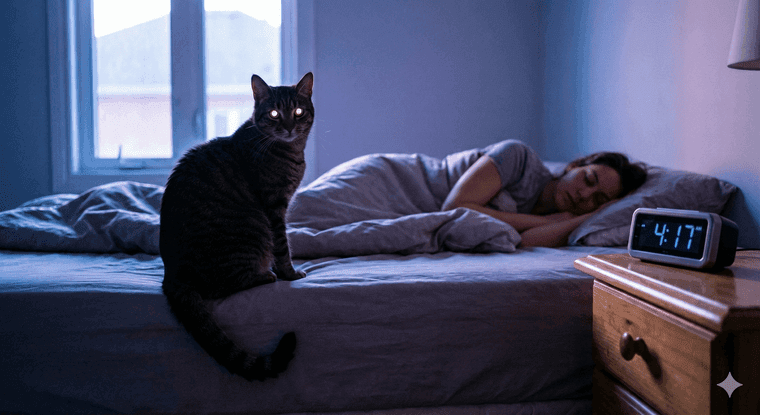
You might notice that your cat doesn’t really lick your face during the day, but the moment you’re asleep, the grooming session begins. Why is that?
Your Cat’s Natural Sleep-Wake Cycle
Remember, cats are crepuscular creatures. Their internal clock tells them that dawn and dusk are action times. For indoor cats, this often translates to bursts of energy between midnight and 5 AM, right when you’re in your deepest sleep.
During these hours, your cat is naturally more active and social. They’re looking for things to do, and grooming is a natural nighttime activity in cat colonies. In the wild, cats often groom each other during rest periods between hunting sessions.
So when your cat licks your face at 3 AM, they’re not being inconsiderate of your sleep schedule, they’re just following their biological programming. To them, this is a perfectly reasonable time to engage in social grooming with their favorite human.
Nighttime as Social Time
Here’s something interesting: in multi-cat households and cat colonies, grooming tends to happen during rest periods when cats are gathered together but not actively hunting or playing. The quiet nighttime hours, when everyone is settled in one place, are ideal for this bonding activity.
Your sleeping form presents the perfect opportunity. You’re relaxed, you’re not moving around or distracted by other activities, and you’re in a vulnerable state that invites protective and nurturing behaviors from your cat. They see this as quality bonding time.
Environmental Factors
Nighttime also offers fewer distractions than daytime. During the day, there are people coming and going, noises from outside, maybe other pets demanding attention, and various activities happening. At night, the house is quiet, and you become the most interesting and available thing in your cat’s environment.
Additionally, if your cat has learned that morning feeding time follows these nighttime licking sessions, they’ve created a routine in their mind: lick human’s face → human wakes up → breakfast happens. Cats are creatures of habit, and once a routine is established, they stick to it.
Decoding the Cat Licking Behavior Meaning: Context Matters
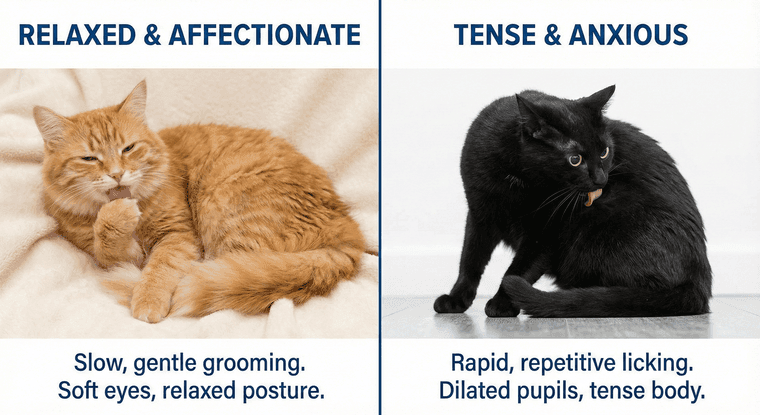
Not all licking is created equal. Understanding the cat licking behavior meaning requires paying attention to context and your cat’s overall body language.
How to Interpret Your Cat’s Licking
Signs of affectionate, bonding licking:
- Your cat is purring while licking
- They’re kneading with their paws
- Their body is relaxed, tail gently swishing or still
- They might close their eyes contentedly
- The licking is gentle and rhythmic
- They alternate between licking and rubbing their head against you
Signs of stress or anxiety-driven licking:
- Rapid, frantic licking
- Dilated pupils
- Tense body posture
- Ears back or flattened
- Excessive licking that goes on for extended periods
- They’re licking themselves excessively too
- The behavior seems compulsive rather than affectionate
Signs of attention-seeking licking:
- Licking is accompanied by meowing
- They stop when you respond, then resume when you settle back down
- Happens at the same time each night (usually before their normal feeding time)
- They pace or show restless behavior between licking sessions
Understanding these contexts helps you respond appropriately. Affectionate licking can be enjoyed or gently redirected, while anxious licking might need a different approach addressing the underlying stress.
Is Face Licking Normal and Safe?
The short answer? Yes, for most people, having your cat lick your face is perfectly normal and safe. But let’s break this down.
When It’s Completely Normal
Face licking is incredibly common in cats who are bonded with their humans. It’s a natural extension of their grooming and social behaviors. If your cat does this, it’s actually a sign of a healthy relationship and strong attachment.
Millions of cat parents around the world wake up to kitty kisses regularly, and it’s considered normal feline behavior. Your cat isn’t weird, and neither are you for allowing it (or for being slightly annoyed by it at 4 AM).
Potential Hygiene Concerns
Now, let’s address the elephant, or should I say, the bacteria, in the room. Cat saliva does contain bacteria, including some that can potentially cause infections in humans. The most commonly mentioned is Pasteurella multocida.
However, here’s the reality: the risk is very low for healthy individuals. Most people’s immune systems handle exposure to their cat’s saliva just fine. That said, there are some considerations:
Higher risk for:
- People with compromised immune systems
- Those with open wounds or skin breaks on their face
- Individuals undergoing chemotherapy or taking immunosuppressive drugs
- Very young children or elderly people with weakened immunity
Practical hygiene tips:
- Wash your face after your cat licks it (especially before touching your eyes)
- Don’t let your cat lick open wounds or broken skin
- Keep your cat’s dental health in check with regular vet visits
- If you’re immunocompromised, discuss with your doctor
For the average healthy adult, the occasional (or even nightly) face licking from your cat is unlikely to cause any health issues.
When to Be Concerned
While normal licking is harmless, excessive licking can be problematic:
- Duration: If your cat licks for hours at a time, that’s excessive
- Intensity: Licking that causes skin irritation or hair loss (on the cat)
- Compulsive patterns: If they seem unable to stop even when redirected
- Sudden onset: If an older cat suddenly develops intense licking behavior
- Other symptoms: Licking accompanied by behavioral changes, appetite loss, or other concerning signs
If any of these apply, consult your veterinarian. There might be an underlying medical or behavioral issue that needs addressing.
How to Manage or Redirect Nighttime Face Licking
So you understand why your cat licks your face when you sleep, and you appreciate that it comes from love and instinct. But you still need sleep. What can you do?
If You Don’t Mind the Behavior
Some cat parents actually enjoy these nighttime grooming sessions (or at least don’t mind them enough to want to change the behavior). If that’s you, embrace it! Just keep these tips in mind:
- Wash your face before bed to remove products that might be harmful if ingested by your cat
- Limit the duration by gently redirecting after a minute or two
- Keep your cat’s dental health in good shape to minimize bacteria
- Consider it a bonding experience, many cat parents report feeling closer to their cats who do this
If You Want to Discourage It
If the 3 AM wake-up licks are wearing thin, you can gently discourage this behavior. The key word here is “gently”, never punish your cat for showing affection, even if the timing is inconvenient.
Before bedtime strategies:
- Tire them out: Have an intensive play session 30-60 minutes before bed. Use interactive toys that mimic hunting (feather wands, laser pointers, toy mice). A tired cat is more likely to sleep through the night.
- Feed dinner later: If you normally feed dinner at 6 PM, try pushing it to 9 or 10 PM. A full belly promotes sleepiness. Consider making this meal the largest of the day.
- Establish a bedtime routine: Cats thrive on routine. Create a consistent sequence: play, feed, quiet time, then bed. Your cat will learn this pattern means it’s sleep time.
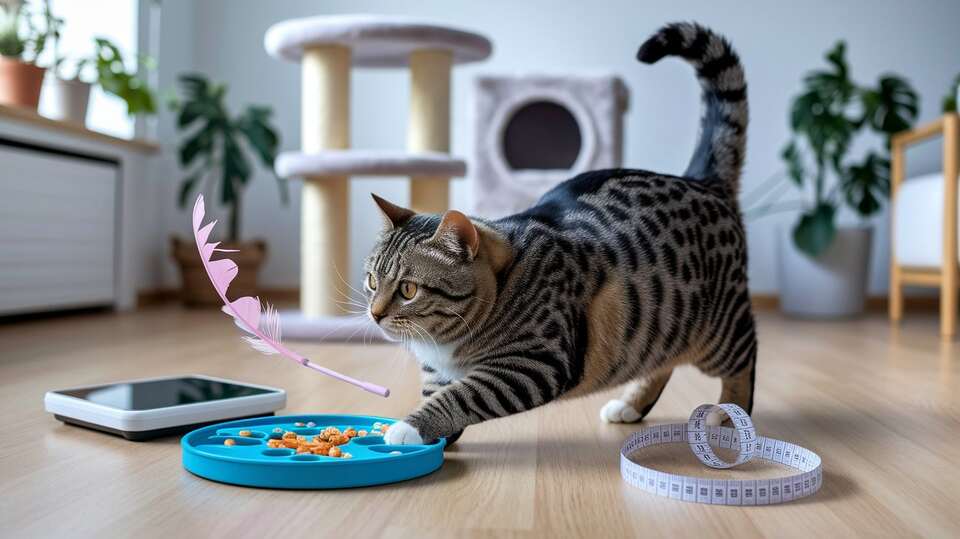
- Provide enrichment: Set up puzzle feeders or hide treats around the house for nighttime discovery. This gives your cat something to do besides lick your face.
During the night strategies:
- Close the bedroom door: This is the most effective solution if your cat will tolerate it. Make sure they have everything they need outside the bedroom (food, water, litter box, comfortable sleeping spots).
- Provide zero reaction: If your cat licks your face, don’t respond at all. Don’t pet them, don’t push them away, don’t talk to them. Any reaction reinforces the behavior. Simply roll over or gently move them aside without engaging.
- Offer an alternative: Place a soft blanket or plush toy near your pillow. When your cat approaches, gently redirect them to the alternative item.
- Use an automated feeder: If your cat is licking your face to wake you for breakfast, an automatic feeder set for 5 AM can break this association.
Environmental changes:
- Set up a cozy cat bed with a heating pad in another room
- Leave on a nightlight or cat TV (videos made for cats)
- Provide vertical space like cat trees near windows for nighttime observation
- Consider a second cat for companionship (only if you’re prepared for that commitment!)
Consistency is Key
Whatever approach you choose, stick with it. Cats learn through consistency. If you sometimes allow face licking and sometimes discourage it, your cat will be confused and the behavior will persist.
Also, be patient. Changing an established behavior takes time, usually at least 2-4 weeks of consistent responses before you’ll see significant changes.
When to Consult Your Veterinarian
While most face licking is normal behavior, there are times when professional input is needed.
Schedule a vet visit if:
- The licking seems obsessive or compulsive
- Your cat licks excessively not just you, but also themselves, objects, or surfaces
- The behavior started suddenly in an adult or senior cat with no prior history of it
- Your cat shows other behavioral changes (aggression, hiding, elimination issues)
- There are physical symptoms (weight loss, vomiting, lethargy)
- You suspect pain or discomfort (dental issues can cause excessive licking)
- Your cat seems anxious or distressed overall
What your vet will evaluate:
Your veterinarian will perform a physical exam and may recommend:
- Bloodwork to check for nutritional deficiencies or health issues
- Dental examination to rule out oral pain
- Behavioral assessment to determine if anxiety or OCD is present
- Discussion of environmental factors and recent changes
In some cases, your vet might prescribe anti-anxiety medication or recommend working with a veterinary behaviorist for a comprehensive behavior modification plan.
Conclusion
Understanding why does my cat lick my face when I sleep comes down to recognizing that this behavior is rooted in affection, instinct, and your cat’s natural rhythms. Whether they’re grooming you as a bonded family member, marking you with their scent, or simply trying to wake you up for breakfast, it’s almost always coming from a place of love and trust, even if the 3 AM wake-up calls are less than ideal.
You don’t have to choose between accepting sleep deprivation and rejecting your cat’s affection. With the right approach, whether that’s establishing better bedtime routines, providing enrichment, or simply closing the bedroom door, you can maintain your bond while also getting the sleep you need. Remember, your cat isn’t trying to be annoying; they’re just being a cat, and that sandpaper tongue on your face is actually one of the highest compliments they can give you.
Also Read - Cat Drinks from Toilet But Not Water Bowl: Reasons and Solutions
Frequently Asked Questions
Why does my cat lick my face at 3 AM specifically?
Cats are crepuscular and most active during dawn hours (roughly 3-5 AM). This is when their hunting instincts peak, and they’re naturally more alert and social. Your sleeping face is accessible and appealing during these active hours. To reduce this, try tiring your cat out before bed with play and feeding dinner later.
Is cat saliva safe on my face?
For most healthy people, yes. Cat saliva contains bacteria, but your immune system typically handles it fine. However, avoid letting cats lick open wounds, and wash your face afterward. People with compromised immune systems should be more cautious and consult their doctor about exposure to pet saliva.
My cat licks my face then bites me, why?
This is often overstimulation. Your cat gets excited during the grooming session and the biting is either playful or a signal they’re overwhelmed. It can also be a “love bite”, a gentle nip that’s actually affectionate. If the bites are hard, gently remove yourself from the situation to teach your cat that biting ends the interaction.
Can I train my cat to stop licking my face at night?
Yes, but it requires patience and consistency. Provide zero reaction when they lick (any response reinforces it), redirect them to toys or treats, tire them out before bed, and consider closing your bedroom door. An automatic feeder can help if they’re trying to wake you for breakfast. Most cats can learn new nighttime routines within 2-4 weeks.
Does face licking mean my cat loves me more than other family members?
Not necessarily more, but differently. Face licking shows deep trust and affection. If your cat licks your face but not others’, it means they have a special bond with you, you might be their primary caregiver or the person they feel most secure with. Each cat shows love in their own way to different family members.